The Great British De-Clutter: How to Bin Your Junk Without Trashing the Planet (and Make a Quid or Two)
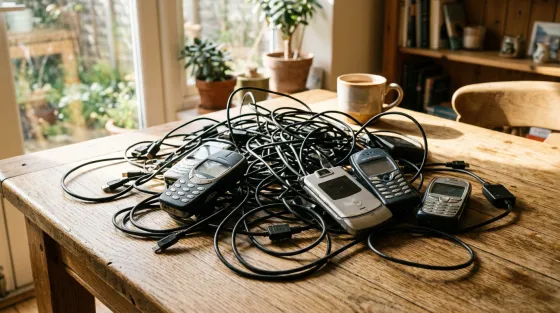
It is that time of year again. The sun has made a fleeting, suspicious appearance, the birds are shouting at four in the morning, and suddenly the pile of mysterious cables in the corner of your living room looks less like a future project and more like a cry for help. Spring cleaning is a tradition as British as complaining about the rain, but in our modern age, it is no longer just about dusting the skirting boards. It is about confronting the digital and physical hoard we have accumulated over the last twelve months.
The Psychology of the Hoard
Before you dive headfirst into the cupboard under the stairs, you need to accept a hard truth: you do not need that SCART lead. You also do not need the box for a smartphone you sold in 2019. We cling to these items because of a misplaced sense of 'just in case' or, worse, a vague guilt about the money we spent on them. In a UK economy where every penny is being pinched until it screams, the idea of throwing away something that cost fifty quid feels like a personal failure. But clutter has a mental cost. It is visual noise that makes your home feel smaller and your brain feel busier.
The Strategy: Micro-Cleaning for the Modern Soul
The biggest mistake people make is trying to tackle the whole house in a single Saturday. By 2pm, you will be sitting in the middle of a pile of old socks, crying into a lukewarm cup of tea, wondering why you ever started. Instead, break it down. Choose one drawer. Just one. Or set a timer for twenty minutes and see how much you can sort before the kettle boils. This micro-cleaning approach prevents the inevitable burnout and makes the process feel like a series of small wins rather than a marathon of misery.
The Sorting Hat Method
As you go, everything must fall into one of four categories: Keep, Sell, Donate, or Recycle. Notice that 'Bin' is not on that list. In 2024, sending electronics or textiles to a landfill is not just environmentally irresponsible, it is practically a crime against common sense. If you are keeping something, it needs a home. If it stays on the floor or a 'temporary' pile, you have already lost the battle.
The Tech Graveyard: Turning Silicon into Sterling
Most British households are sitting on a goldmine of old tech. We are talking about the tablet with the slightly cracked screen, the digital camera you replaced with an iPhone, and the three generations of Kindles gathering dust. Before you do anything, you must address the data. Do not just hand over an old laptop to a stranger without wiping it. Use built-in factory reset tools or, for the truly paranoid, software that overwrites the drive multiple times. Your identity is worth significantly more than the twenty quid you will get for the hardware.
Where to Sell Your Wares
If you have the patience of a saint, eBay is still the king for getting the maximum price, but the fees and the faff of Royal Mail can be a deterrent. For a quicker fix, CeX or MusicMagpie offer instant valuations. You will get less money, but the convenience of just handing over a bag of bits and receiving cash is hard to beat. For clothes and lifestyle items, Vinted has taken over the UK by storm. It is surprisingly addictive, though you must be prepared for potential buyers to ask you for twenty more photos of a three-pound t-shirt.
The Moral High Ground: Responsible Disposal
Sometimes, the stuff we have is just... rubbish. But 'rubbish' is a relative term. In the UK, we have strict WEEE (Waste Electrical and Electronic Equipment) regulations for a reason. Lithium batteries are basically spicy bricks that can cause fires in bin lorries if not handled correctly. If your tech is too old to sell, it needs to go to a proper recycling centre.
- Local Council Tips: Most have a dedicated section for small appliances and cables.
- Currys Cash for Trash: They often run schemes where they will take your old tech and give you a voucher in return, regardless of the condition.
- Charity Shops: Be honest here. If you wouldn't buy it, don't donate it. They are not a free disposal service for your broken toaster.
The Maintenance Phase: Stopping the Inflow
Once you have successfully decluttered, you need to stop the cycle. The UK is a nation of impulse buyers, fuelled by late-night Amazon sessions and 'deals' that aren't actually deals. Before you buy something new, ask yourself where it will live. If you don't have a specific spot for it, don't buy it. It is much easier to keep a house clean than it is to perform an archaeological dig every April.
A Note on Cables
We all have the Bag of Cables. You know the one. It contains things that look like they belong to a Soviet-era radio. Here is a pro tip: if you haven't used a cable in two years, and you don't even know what it plugs into, you can probably let it go. Most modern devices use USB-C or Lightning. The proprietary charger for a 2004 Nikon Coolpix is not something you need to pass down to your grandchildren.
The Verdict
Spring cleaning isn't just about making your house look like a Pinterest board. It is about reclaiming your space and, hopefully, your sanity. By selling your old gear, you are essentially getting paid to tidy up, which is the ultimate win in a cost-of-living crisis. Just remember to be ruthless. If it doesn't serve a purpose, doesn't make you happy, or doesn't make you money, it has no business being in your spare room. Get it sorted, get it sold, and then go and enjoy a well-earned biscuit. You have earned it.
Read the original article at source.





No comments yet. Be the first to share your thoughts.