Sun, Slush, and Sit-Skis: Is it Time to Reschedule the Winter Paralympics?
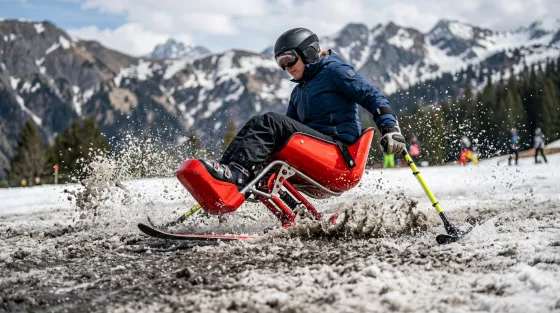
The Great Winter Meltdown
There is something inherently British about complaining about the weather. Usually, we are moaning because it is raining during a barbecue or because a single flake of snow has brought the entire national rail network to a grinding halt. However, the latest weather-related grumble comes from a much colder place: the Winter Paralympics. Except, as it turns out, it is not actually that cold anymore. In fact, it is getting a bit tropical.
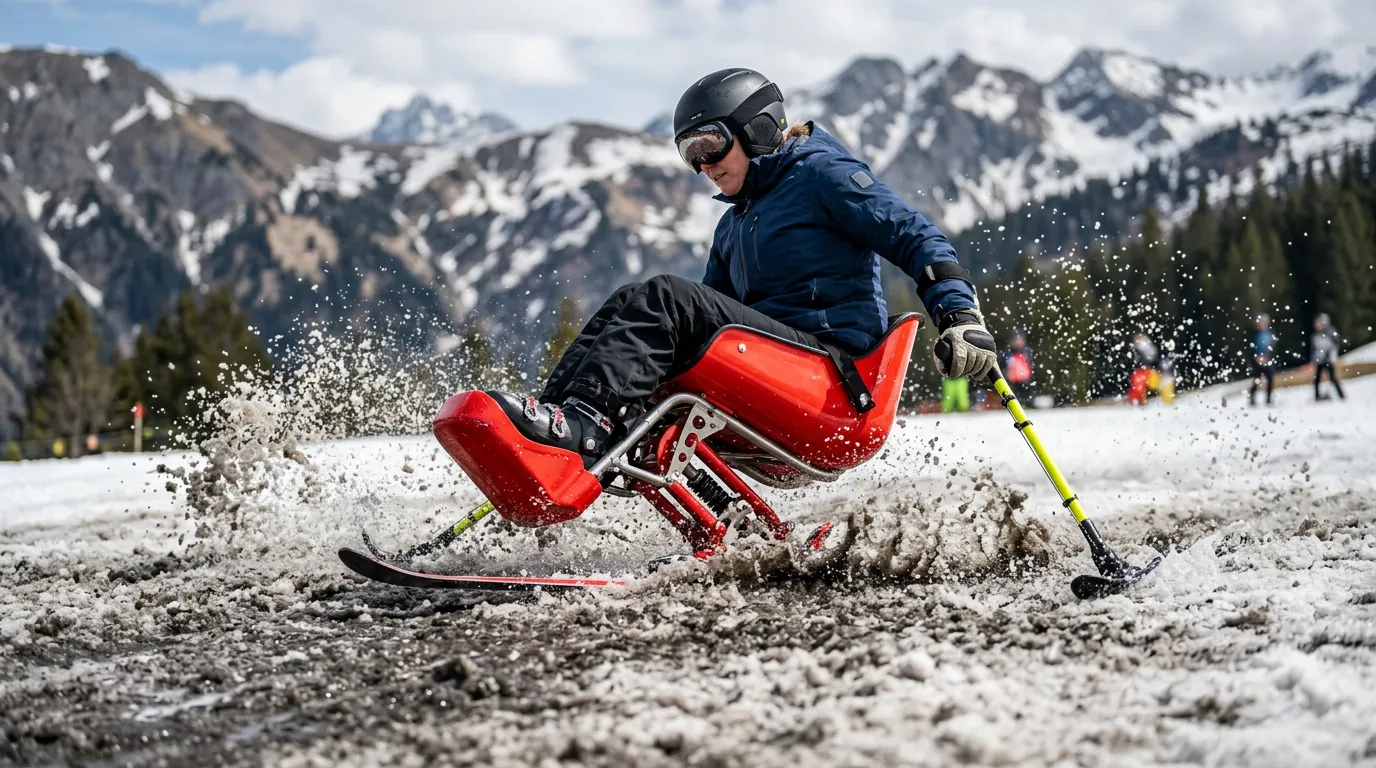
We have all seen the footage. Athletes who have spent years training for peak performance on ice and crisp snow are suddenly finding themselves navigating what can only be described as a giant, freezing Slush Puppie. When the sun comes out and the temperatures climb, the 'Winter' part of the Winter Paralympics starts to feel like a bit of a suggestion rather than a rule. It raises a massive question: is it time to bin the current calendar and move the Games to a month where the snow actually stays frozen?
A Slippery Slope for Athletes
For a para-athlete, the quality of the surface isn't just about shaving a millisecond off a personal best. It is a genuine safety issue. Imagine hurtling down a mountain in a sit-ski at motorway speeds, only to hit a patch of soft, melting slush that grabs your equipment like wet concrete. It is unpredictable, it is dangerous, and quite frankly, it is a bit of a shambles.
The current scheduling usually sees the Paralympics follow hot on the heels of the Winter Olympics, typically landing in March. In many parts of the world, March is that awkward teenage phase of the seasons. It wants to be winter, but it keeps flirting with spring. For host cities, this means a desperate scramble to keep the slopes from turning into a series of very expensive water slides. They use snow cannons, chemical stabilisers, and enough electricity to power a small country just to keep the dream alive. But is it sustainable? Probably not.
The Tech Fix: Can We Fake It Forever?
Technology has always been the backbone of the Winter Games. From the advanced engineering of prosthetics to the aerodynamics of a bobsleigh, it is a tech-lover's dream. But lately, the most important tech on-site has been the snow-making machinery. We are now at a point where many Winter Games are held on almost 100 percent artificial snow. This stuff is harder, icier, and much less forgiving than the real deal. It is also incredibly resource-heavy.
From a UK perspective, where we are all trying to be a bit more eco-conscious and mindful of the pennies, the sheer cost of chilling a mountain in 15-degree heat seems a bit mad. We are living through a cost-of-living crisis and a climate emergency. Spending millions to blast water into the air in the hope it freezes before it hits the ground feels like trying to air-condition the Sahara. It is a technical marvel, sure, but it is also a bit of a desperate move.
The Scheduling Nightmare
So, why not just move the Games to January? It seems like a simple fix, but in the world of global sports broadcasting and logistics, nothing is ever that easy. If you move the Winter Paralympics to the dead of winter, you run into a massive wall of competition. You have the Premier League in full swing, the NFL playoffs across the pond, and a host of other sporting giants hogging the limelight and the advertising revenue.
The Paralympics deserves its own space to breathe and its own dedicated audience. Moving it earlier might mean better snow, but it could also mean fewer eyeballs on the screen. It is a classic 'rock and a hard place' scenario. Do you prioritise the quality of the competition surface or the reach of the broadcast? For the athletes, the answer is obvious. For the suits in the boardroom, it is a lot more complicated.
Is the Future Indoors?
Here is a controversial thought: if the planet continues to warm at this rate, will we eventually see an 'Indoor Winter Paralympics'? We already have massive indoor ski centres in places like Dubai and Manchester. They offer perfectly controlled environments, guaranteed snow quality, and zero chance of a sudden heatwave ruining the giant slalom.
Of course, the purists will hate it. Part of the magic of the Winter Games is the stunning mountain scenery and the battle against the elements. Moving it into what is essentially a giant freezer in a retail park takes away a bit of the soul. But if the alternative is watching the world's best athletes compete in a puddle, the freezer might start looking quite attractive. It would certainly be a win for consistency, even if it is a bit of a blow for the aesthetic.
The Verdict: Time for a Change
At the end of the day, the Winter Paralympics needs to remain a elite sporting event, not a test of who can best navigate a mud bath. The current trend of 'tropical' winter weather is not a one-off fluke; it is our new reality. Sticking our heads in the (melting) snow and hoping for a cold snap next time isn't a strategy.
I reckon we need to see some bravery from the organisers. Whether that means shifting the dates earlier into the year or being much more selective about host cities based on their long-term climate projections, something has to give. We owe it to the athletes to provide a stage that is worthy of their talent. If that means we have to watch the skiing while we are still finishing off the Christmas leftovers in January, then so be it. I'd rather have a frozen January Games than a soggy March one any day of the week.
Value for money is key here too. If we are investing public and private funds into these events, we want to see the best possible version of the sport. Watching a race get cancelled because the track has literally evaporated is not exactly a great return on investment. It is time to get realistic, look at the data, and move the calendar before the Winter Games become the Spring Games by default.
Read the original article at source.


No comments yet. Be the first to share your thoughts.