Sky High Prices: Why Your Summer Holiday Hopes Might Be Grounded

The Great British Summer vs The Global Oil Market
We have all been there. You have spent six months staring at a rainy window in Slough, dreaming of a beach where the water is actually blue and the sand does not consist of crushed cigarette filters and disappointment. You have finally saved up enough for that family trip to the Algarve, only to find that the flight prices look more like a telephone number than a bargain. If you were hoping for a cheap getaway this year, I have some rather soggy news for you. The cost of jet fuel is heading north, and it is taking your holiday budget with it.
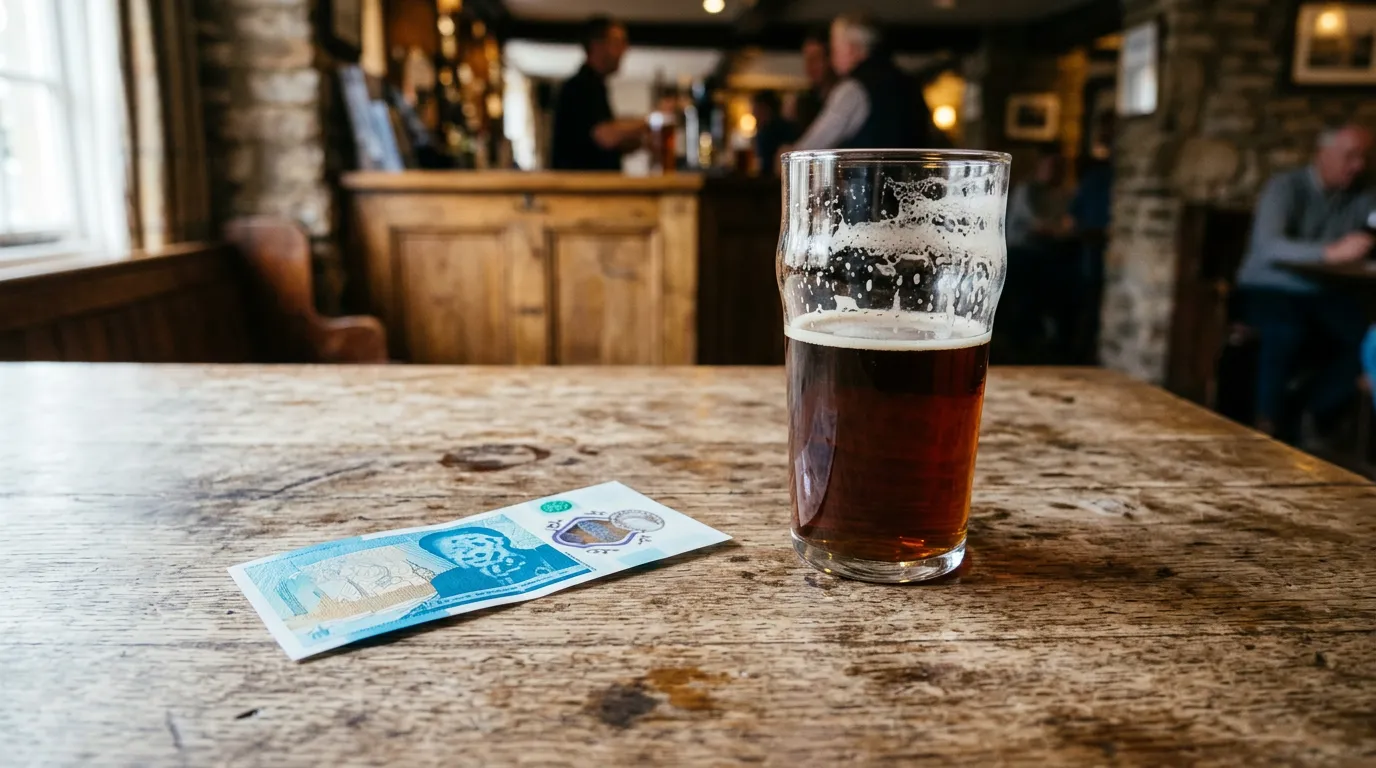
It is not just a case of simple supply and demand anymore. While we were all busy worrying about the price of a pint or whether the local council will ever fix that pothole on the High Street, the global aviation industry has been hit by a perfect storm of geopolitical tension and refining bottlenecks. At the heart of this mess is the escalating situation in the Middle East, specifically involving Iran. For the average UK traveller, what happens in Tehran might feel a million miles away, but it has a direct line to your debit card.
The Iran Factor: Why Conflict Means Cost
Airlines are sensitive creatures. They operate on margins thinner than a budget airline napkin. When tensions rise in the Middle East, the oil markets react with the grace of a startled cat. Iran is a massive player in the global energy game, and any hint of a prolonged crisis there sends tremors through the crude oil supply chain. Even if the oil keeps flowing, the uncertainty alone is enough to send prices upwards.
For those of us in the UK, this is a double blow. Not only does the raw cost of oil go up, but the logistical nightmare of flying around conflict zones adds even more to the bill. If an aeroplane has to take a longer route to avoid restricted airspace, it burns more fuel. More fuel means more cost, and you can bet your last pound that the airline is not going to swallow that expense out of the goodness of their heart. They will pass it straight to you in the form of a fuel surcharge or a higher base fare.
It Is Not Just Crude Oil: The Refining Problem
There is a common misconception that if crude oil prices are stable, flight prices should be too. Unfortunately, aeroplanes do not run on raw crude. They run on highly refined kerosene, known in the industry as Jet A-1. The problem we are facing right now is the crack spread. This sounds like something you might find in a dodgy back alley, but it is actually the difference between the price of crude oil and the price of the refined product.
Refining capacity is stretched to the limit. Many refineries were shut down during the pandemic or have been pivoted to produce diesel or other fuels that offer better profit margins. This means that even when the price of a barrel of oil looks reasonable, the price of the jet fuel coming out of the other end of the factory remains stubbornly high. We are essentially paying a premium for the privilege of having our fuel cooked properly.
The UK Economy and the Holiday Squeeze
Let us talk about the elephant in the room: the UK economy. We are already dealing with a cost of living crisis that has made a weekly shop feel like a high-stakes poker game. For many British families, the annual summer holiday is the one big luxury they refuse to give up. However, with airlines facing these massive fuel bills, the days of the twenty pound flight to Malaga are rapidly becoming a distant memory.
British travellers are also at the mercy of the exchange rate. Jet fuel is priced in US dollars. When the pound is weak, every litre of fuel costs our UK-based airlines more. It is a relentless cycle of rising costs that makes it increasingly difficult for carriers like EasyJet or British Airways to keep prices down. We are seeing a shift where travel is becoming a luxury item once again, rather than a standard right of passage for the summer months.
Is Revenge Travel Finally Over?
After the lockdowns, we saw a phenomenon called revenge travel. People were so desperate to get out of their houses that they would pay almost anything to get on a plane. Airlines took advantage of this, hiking prices to recoup their losses from the years when the world stood still. But that wave of enthusiasm is hitting a wall of reality.
As jet fuel prices continue to climb, even the most dedicated sun-seekers are starting to blink. There is only so much a household budget can take before the dream of a Mediterranean villa is replaced by a damp tent in Cornwall. The industry is watching closely to see if the demand will finally snap. If prices stay this high, we might see airlines cutting back on routes, which only serves to drive prices up further due to reduced competition. It is a bit of a miserable loop, really.
What Can You Do? The Verdict
If you are planning to travel this summer, my advice is to stop sitting on the fence. Waiting for a last-minute deal is a risky strategy when fuel prices are this volatile. Most airlines hedge their fuel, meaning they buy it in advance at a fixed price, but those hedges eventually run out. When they do, the new, higher prices are baked into the tickets immediately.
Consider looking at alternative destinations that are closer to home, or perhaps look into rail travel if you are heading to the continent. While the Eurostar is not exactly cheap, it does not suffer from the same fuel surcharge madness as the aviation sector. If you must fly, book as early as possible and try to be flexible with your dates. Mid-week flights are still generally cheaper, though even those are starting to creep up.
The reality is that the era of ultra-cheap aviation might be taking a hiatus. Between geopolitical instability in Iran and the structural issues in the refining industry, the cost of taking to the skies is only going one way. It is not exactly the cheery news you wanted for your summer break, but it is better to face the facts now than to be priced out of the departure lounge in July.
Read the original article at source.



No comments yet. Be the first to share your thoughts.