Petrol Prices and Power Plays: The Global Oil Tap is Finally Open
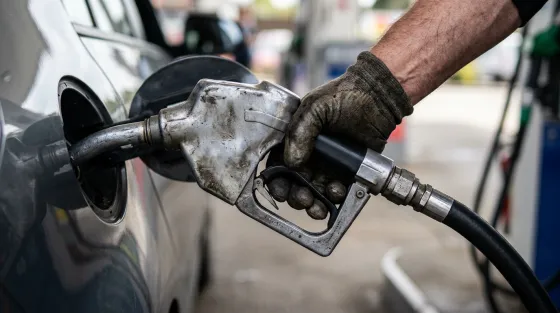
There is a specific kind of dread that only a British motorist truly understands. It is that cold shiver down the spine as you pull into a BP or Shell forecourt, eyes fixed on the illuminated sign, praying that the price of unleaded hasn't jumped another three pence while you were stuck at the traffic lights. We have become a nation of fuel price watchers, obsessing over decimal points like they are the winning lottery numbers. So, when the news breaks that global powers are cracking open their emergency oil stocks to counter the shockwaves of the conflict with Iran, it is only natural to feel a flicker of hope, or at least a temporary suspension of despair.
The Forecourt Fright: Why Your Wallet is Trembling
For the average person in the UK, the geopolitical machinations of the Middle East often feel like a world away, right up until the moment they try to fill up a Ford Fiesta. The current tension involving Iran has sent the global energy market into a bit of a spin. Oil traders are notoriously jumpy, reacting to every headline with the grace of a startled gazelle. When war looms, the perceived risk to supply lines, specifically the Strait of Hormuz, causes prices to skyrocket. This is not just about the cost of a Sunday drive; it is about the price of every loaf of bread delivered by a lorry and every plastic gadget shipped from overseas.
The announcement that emergency stocks will be released is the international community's version of breaking the glass on the fire alarm. It is a coordinated effort to flood the market with supply, hopefully dampening the speculative fire that threatens to incinerate our monthly budgets. Some countries are ready to go immediately, while others will be trickling their reserves into the system over the next fortnight. It is a massive logistical undertaking designed to tell the markets one thing: stay calm, we have the black stuff covered.
The Big Red Button: Releasing the Reserves
So, what exactly are these emergency stocks? Most developed nations, including the UK and the US, maintain a Strategic Petroleum Reserve. Think of it as a giant, underground rainy day fund, but instead of coins, it is filled with millions of barrels of crude oil. These reserves were largely established after the energy crises of the 1970s, a decade that taught us that being entirely dependent on a volatile global market is a recipe for disaster. Releasing these stocks is not a decision taken lightly. It is a signal that the situation has moved beyond a minor hiccup and into the territory of a genuine economic threat.
The immediate release from some nations is intended to provide an instant psychological boost to the market. By showing that supply is available right now, they hope to stop the price from climbing any further. The secondary wave of releases, scheduled over the next two weeks, is designed to provide a sustained cushion. It is a bit like a doctor administering a quick-acting painkiller followed by a slow-release antibiotic. The goal is stability, though whether it will actually lead to a significant drop in prices at your local Tesco Petrol station remains to be seen.
Why Iran? The Geopolitical Chessboard
The root of this particular headache is the escalating conflict involving Iran. Geopolitics is often a messy game of chess played with very expensive pieces, and oil is the ultimate queen on the board. Iran sits in a position of immense strategic importance. If the conflict disrupts the flow of oil through regional shipping lanes, the global supply could take a hit that no amount of emergency reserves could fully fix. This is why the release of stocks is as much a diplomatic move as it is an economic one. It is a way for Western powers to show they are prepared for a worst-case scenario.
From a UK perspective, this matters because we are part of a globalised economy. Even if we don't buy all our oil directly from the region, the price is set globally. When the price of a barrel goes up in New York or Singapore, you can bet your bottom pound that it will go up in Birmingham and Bristol too. The British economy is already walking a tightrope with inflation and the cost of living crisis, so any further pressure on energy costs is about as welcome as a rainstorm at a cricket match.
The Two-Week Window: Don't Hold Your Breath Just Yet
While the news of the release is positive, we should probably temper our expectations. The timeline mentioned, where some stocks hit the market immediately and others within two weeks, means we won't see an overnight transformation. Oil has to be refined, transported, and distributed before it reaches the pump. Furthermore, the market is a fickle beast. If the conflict with Iran escalates further, the positive impact of this reserve release could be cancelled out by new fears of supply disruption.
There is also the matter of the UK economy. We are currently navigating a tricky period where every penny counts. The government is under pressure to keep the country moving, but they are also dealing with the reality of a global market they cannot fully control. Releasing reserves is a powerful tool, but it is a finite one. You can only empty the piggy bank so many times before there is nothing left for a real emergency. This move is a calculated gamble that the current price shock is temporary and that a surge in supply will be enough to bridge the gap.
The Tech Fix: Is it Time to Ditch the Internal Combustion Engine?
Every time we have one of these oil price scares, the conversation inevitably turns to technology. If we weren't so reliant on fossil fuels, would we be so vulnerable to the whims of regional conflicts? For the tech-focused lifestyle enthusiast, this news is yet another nudge toward the electric vehicle revolution. EVs might have their own set of challenges, such as charging infrastructure and initial cost, but they do offer a way to opt out of the petrol station price lottery.
We are seeing incredible advancements in battery technology and renewable energy integration. The more we can power our transport through a domestic green grid, the less we have to worry about the Strategic Petroleum Reserve. However, for the millions of us still driving petrol or diesel cars, that transition feels like a long way off. In the meantime, we are left to monitor the news and hope that the coordinated release of oil stocks is enough to keep our commutes affordable. It is a stark reminder that our modern lifestyle is still very much tethered to a 19th-century energy source.
The Final Verdict: A Sticking Plaster for a Gaping Wound
In the grand scheme of things, releasing emergency oil stocks is a necessary move, but it is ultimately a sticking plaster. It addresses the symptom, high prices, without necessarily curing the disease, which is geopolitical instability and our continued reliance on oil. For the British public, it might mean a few pence off the price of a litre in the coming weeks, or at least a halt to the constant increases. In an economy that is already feeling the squeeze, that is not nothing.
We should keep a close eye on how this develops over the next fortnight. If the market settles, we might just escape the worst of this price shock. If not, we might be looking at a very expensive winter. For now, the best advice is to keep your tyres inflated, drive a bit more sensibly, and perhaps start looking more seriously at those electric car brochures. The era of cheap, reliable oil feels like it is slipping through our fingers, and no amount of emergency reserves can change the long-term trend.
Read the original article at source.




No comments yet. Be the first to share your thoughts.