Liverpool Condemn 'Vile' Racist Abuse Directed at Ibrahima Konate After Champions League Victory
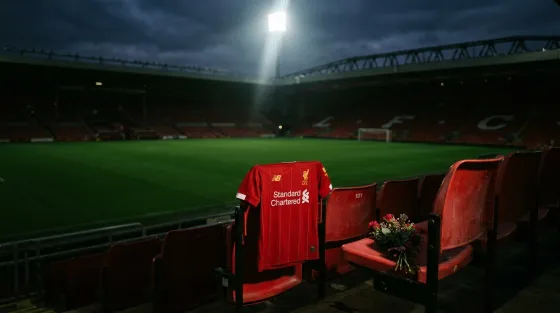
A Night of Triumph Marred by Hateful Abuse
Liverpool pulled off a stunning 4-0 demolition of Galatasaray at Anfield on 18 March 2026, booking their place in the Champions League quarter-finals with a 4-1 aggregate win. It should have been a night of pure celebration. Instead, the club found itself issuing a statement two days later that no football club should ever have to write.
Defender Ibrahima Konate, the France international who put in a commanding performance at the back, was subjected to a torrent of racist abuse on social media in the aftermath of the match. Liverpool's response was unequivocal: they were 'appalled and disgusted.'
What Sparked the Abuse
The trouble appears to stem from a clash between Konate and Galatasaray striker Victor Osimhen early in the match, around the 10th minute. The collision left Osimhen with a forearm fracture. The Nigerian forward soldiered on with a bandaged arm until half-time, when he was replaced by Leroy Sane, but the damage was done.
What followed was depressingly predictable. Rather than accepting a collision in a contact sport for what it was, a section of fans on social media decided to direct racist vitriol at Konate. Because apparently, in 2026, some people still think the colour of a footballer's skin is fair game when they're angry about a result or an injury.
Liverpool's Forceful Response
The club's official statement, published on 20 March 2026, pulled no punches. Liverpool described the abuse as 'vile and abhorrent' and 'dehumanising, cowardly and rooted in hate.' Those are not the carefully hedged words of a PR department ticking a box. That is genuine fury, and rightly so.
Crucially, Liverpool also turned their fire on the platforms where this abuse festers. The statement read: 'Social media companies must take responsibility and act now. These platforms have the power, the technology and the resources to prevent this abuse, yet too often they fail to do so.'
It is a point worth dwelling on. We have been having this same conversation for years now. Social media giants possess algorithms sophisticated enough to sell you trainers you glanced at once in a shop window, yet somehow cannot reliably detect and remove overtly racist messages directed at public figures. The cynical among us might suggest it is not a question of capability but of priority.
Liverpool also confirmed they would work with relevant authorities to identify those responsible. One hopes 'relevant authorities' translates into actual consequences rather than another round of strongly worded letters disappearing into the void.
The Match Itself Was a Masterclass
The cruel irony is that this should have been a story about a brilliant Liverpool performance. Galatasaray arrived at Anfield holding a slender 1-0 lead from the first leg. They left with nothing.
Dominik Szoboszlai opened the scoring on 25 minutes, settling any nerves. After the break, Liverpool were ruthless. Desire Ekitike made it 2-0 on 51 minutes, Ryan Gravenberch added a third just two minutes later, and then Mohamed Salah put the cherry on top on 61 minutes.
Salah's goal was his 50th in the Champions League, a remarkable milestone that in any normal week would have dominated the headlines. Instead, the Egyptian King's landmark moment has been overshadowed by behaviour that belongs in the gutter, not on a football timeline.
A Recurring Problem That Nobody Seems Able to Fix
Here is the uncomfortable truth: we have been here before. Marcus Rashford, Bukayo Saka, Vinicius Junior, Richarlison. The list of players subjected to online racist abuse grows longer with every passing season. Clubs condemn it, governing bodies condemn it, politicians condemn it. And then it happens again.
Liverpool's call for social media companies to step up is entirely valid, but it also highlights how toothless the response has been from those with the actual power to make changes. Platforms will point to their community guidelines and removal rates. Players will continue to open their phones to messages that no human being should have to read.
The technology exists to do better. Real-time content moderation, proactive detection of hate speech, meaningful verification processes. What seems to be missing is the will to implement these tools aggressively enough to make a genuine difference.
Arne Slot's Difficult Position
Liverpool manager Arne Slot had publicly acknowledged after the match that Osimhen's injury made things easier for his side. It was an honest assessment, and a fair one. But in the febrile atmosphere of post-match social media, even straightforward tactical observations can be twisted into ammunition by those looking for a reason to direct their anger somewhere.
None of which, it should go without saying, remotely justifies racist abuse. You can be furious about your star striker's broken arm without resorting to dehumanising language. The two things are not connected, and pretending otherwise is the refuge of people who were looking for an excuse.
What Happens Next
Liverpool now turn their attention to a mouth-watering Champions League quarter-final against PSG, where Konate will no doubt be central to their defensive plans. The hope is that the defender can focus on football and that the authorities can focus on ensuring those responsible face genuine consequences.
But let us be honest with ourselves. Until social media platforms face real regulatory pressure with real financial teeth, we will be writing variations of this same article next month, and the month after that. The cycle of abuse, condemnation, and inaction has become its own grim tradition in modern football.
Ibrahima Konate deserves better. Every player does. The question is whether anyone with the power to change things actually will.
Read the original article at source.




No comments yet. Be the first to share your thoughts.