Kharg Island: Why a Tiny Persian Gulf Rock Could Dictate Your Next Petrol Bill
A Speck of Rock with Massive Power
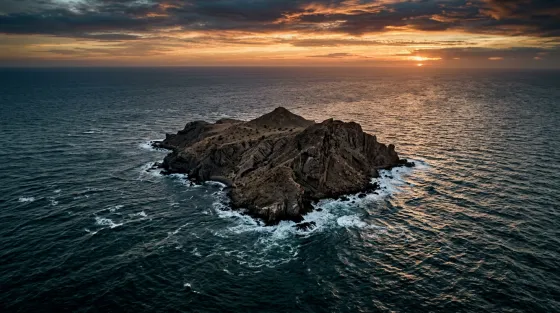
If you were to throw a dart at a map of the Persian Gulf, you would probably miss Kharg Island. It is a tiny, unassuming speck of rock located about fifteen miles off the coast of Iran. Yet, this minuscule landmass is arguably one of the most important pieces of real estate in the global energy market. To understand why the United States has placed this island squarely in its strategic crosshairs, we need to look beyond its size and understand its true function. Kharg Island is not a holiday destination. It is essentially the beating heart of the Iranian economy.
This island serves as the primary export terminal for Iranian crude oil. We are not talking about a few barrels here and there. We are talking about a staggering ninety percent of Iran's oil exports flowing through the pipelines and loading docks of this single facility. It is a marvel of industrial logistics, capable of berthing the largest supertankers on the planet. But this incredible concentration of infrastructure is also Iran's greatest vulnerability. In the high-stakes game of geopolitical chess, Kharg Island is the king, and Washington knows exactly how to put it in check.
The Crown Jewel of Iranian Oil
To grasp the sheer scale of the operation on Kharg Island, you have to picture a floating petrol pump that never sleeps. The island is connected to the Iranian mainland by a network of massive underwater pipelines. These pipes carry crude oil from the vast inland fields directly to the storage tanks and loading jetties on the island. Because the waters around Kharg are exceptionally deep, massive Very Large Crude Carriers (VLCCs) can easily dock and load up to two million barrels of oil at a time.
For the Iranian government, this steady flow of black gold is a vital lifeline. The revenue generated from these exports funds everything from domestic infrastructure to the military. Without Kharg Island operating at full capacity, the Iranian economy would face an immediate and catastrophic bottleneck. It is the ultimate single point of failure. When you have an economy so heavily reliant on one specific export, routing almost all of it through one tiny island is a massive strategic gamble.
Uncle Sam's Strategic Crosshairs
So, why is the United States so intensely focused on this specific terminal? The answer lies in the complex web of international sanctions and the ongoing effort to curtail Iran's nuclear ambitions and regional influence. The US government does not necessarily need to drop bombs to target Kharg Island. They have been targeting it with relentless economic warfare for years.
By monitoring the shipping lanes and tracking the vessels that dock at Kharg, US intelligence agencies can enforce strict sanctions against anyone buying Iranian crude. Washington has effectively built a financial fence around the island. When tensions flare in the Middle East, the rhetoric from US officials often points toward tightening the grip on Kharg. The threat is clear. If Iran crosses certain red lines, the US and its allies have the power to completely blockade or financially isolate this critical terminal, effectively turning off the tap on the Iranian economy.
The Ghost Fleet Phenomenon
You might be wondering how Iran manages to export anything at all with the US watching so closely. This brings us to the fascinating and slightly terrifying world of the 'ghost fleet'. To bypass American sanctions, Iran relies on a covert network of aging, uninsured oil tankers. These vessels routinely turn off their tracking transponders to hide their locations, sneaking into Kharg Island under the cover of darkness or digital obscurity.
Once loaded, these ghost ships sail out into the open ocean and perform risky ship-to-ship transfers, offloading their illicit cargo onto other vessels to mask the origin of the oil. It is a massive, high-stakes game of hide and seek on the high seas. The US targeting of Kharg Island involves constantly trying to unmask these ghost ships, sanctioning the shell companies that own them, and pressuring foreign governments to refuse them entry into their ports. It is a digital and diplomatic cat-and-mouse game that plays out every single day.
What Does This Mean for the UK Forecourts?
For the average Briton, the geopolitical drama in the Persian Gulf can feel a world away. You might be asking why you should care about a tiny island thousands of miles from the UK. The harsh reality is that the global oil market is incredibly sensitive, and a crisis at Kharg Island will hit you directly in the wallet the next time you visit a Tesco or Sainsbury's petrol station.
The UK does not buy oil directly from Iran. However, oil is a globally traded commodity. If Kharg Island were to be physically damaged or completely blockaded, millions of barrels of oil would instantly vanish from the global supply chain. When supply drops and demand remains the same, the price of Brent Crude skyrockets. It is basic economics, but the ripple effects are severe.
Within days of a major disruption at Kharg, the wholesale price of petrol and diesel in the UK would surge. We would be looking at a return to the nightmare scenarios of unleaded pushing well past 150p a litre. But it does not stop at the pump. Higher fuel costs mean that every single item transported by lorry becomes more expensive to move. The cost of your weekly supermarket shop goes up. Inflation spikes. The Bank of England is then forced to keep interest rates higher for longer, which means your mortgage payments stay painfully high. A disruption on a tiny Iranian island directly translates into a cost of living headache for households from Cornwall to Caledonia.
History Repeating Itself?
The idea of targeting Kharg Island is not a new concept. During the brutal Iran-Iraq war in the 1980s, Saddam Hussein's air force repeatedly bombed the island in an attempt to cripple Iran's war effort. The facility took heavy damage, but the Iranians proved incredibly resilient, constantly repairing the pipelines and keeping the oil flowing despite the relentless attacks.
Today, the island is heavily fortified. It is protected by advanced air defence systems and a heavy naval presence. Any physical strike on the terminal would require a massive military effort and would almost certainly trigger a wider regional conflict. This is why the US currently prefers the weapon of economic sanctions. A financial blockade is less likely to start a full-scale war, but it still applies immense pressure to the Iranian leadership.
The Fragility of Our Fossil Fuel Addiction
The ongoing saga of Kharg Island highlights a much larger, more uncomfortable truth for all of us. The global economy is still hopelessly addicted to fossil fuels, and the supply chains that deliver those fuels are incredibly fragile. We have built an entire modern civilization that relies on the safe passage of crude oil through some of the most volatile regions on earth.
Until the UK and the rest of the world make a serious, accelerated transition toward renewable energy and genuine energy independence, we will continue to be at the mercy of distant geopolitical flashpoints. Our economic stability should not depend on whether a supertanker can safely navigate a narrow strait in the Middle East. Yet, for now, it absolutely does.
The Verdict on Global Oil Panic
The US targeting of Kharg Island, whether through crippling sanctions or the looming threat of military action, is a masterclass in modern geopolitical leverage. It is the ultimate pressure point. For Iran, the island is an indispensable asset that must be protected at all costs. For the US, it is the most effective way to squeeze the Iranian regime without putting boots on the ground.
For the rest of us in the UK, Kharg Island serves as a stark reminder of our economic vulnerabilities. The next time you hear news about rising tensions in the Persian Gulf, do not just dismiss it as foreign noise. Pay attention to the name Kharg Island. If that tiny speck of rock stops exporting oil, you will be paying for it at the pump before the week is out.
Read the original article at source.


No comments yet. Be the first to share your thoughts.