Geopolitical Tensions and Civil Liberties: An Analysis of Al-Quds Day Demonstrations in London
The Intersection of International Conflict and Domestic Public Order
The Al-Quds Day procession, an annual event established to express solidarity with the Palestinian cause, recently took place in central London, drawing significant public and institutional attention. Commencing at Albert Embankment, the assembly served as a focal point for geopolitical expression within the British capital. This event occurred against a backdrop of heightened international sensitivity, necessitating a robust response from the Metropolitan Police Service to maintain civil order and prevent potential escalations between disparate groups.
Historically, Al-Quds Day has been a contentious fixture on the London protest calendar. The recent iteration saw thousands of participants congregating near the River Thames, many bearing symbols of Palestinian national identity. From an academic perspective, such demonstrations represent a complex intersection of transnational identity politics and the domestic legal framework governing the right to assembly. In the United Kingdom, the balance between facilitating democratic expression and ensuring public safety remains a persistent challenge for legislative and law enforcement bodies.
The Legal and Policing Framework
The policing strategy for this specific event was notably intensive. Hundreds of officers were deployed to manage the flow of the procession and to mitigate the risk of confrontation with counter-protesters. The Metropolitan Police utilised powers under the Public Order Act 1986 and its subsequent amendments to establish specific conditions for the march. This proactive approach to urban crowd management is often necessitated by the presence of ideological factions whose objectives are diametrically opposed, creating a volatile environment in high-density areas.
The Public Order Act, alongside the more recent Police, Crime, Sentencing and Courts Act 2022, provides the statutory basis for managing such events. These laws allow the police to impose conditions on protests if they anticipate serious public disorder, serious damage to property, or serious disruption to the life of the community. In the context of the Al-Quds Day march, these powers are frequently invoked to dictate the route, duration, and specific locations where protesters may gather. This regulatory environment is essential for navigating the tensions between the rights enshrined in the Human Rights Act 1998 and the necessity of maintaining the peace.
Social Dynamics and Counter-Protest Movements
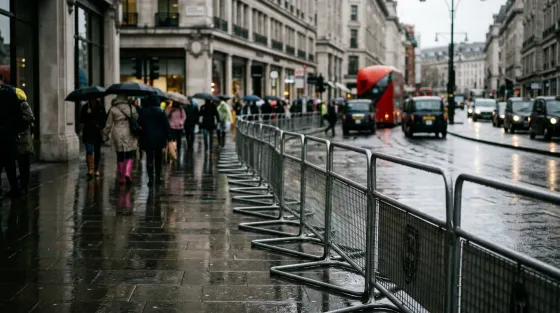
The presence of counter-demonstrations is another critical element of this urban dynamic. These opposing groups often represent alternative geopolitical viewpoints, and their proximity to the main procession necessitates a high degree of tactical precision from law enforcement. The use of physical barriers and the strategic positioning of officer lines are techniques employed to prevent physical altercations. This dynamic illustrates the contested space of the modern metropolis, where the street serves as a theatre for both local and global grievances.
Critics of the event often point to the rhetoric employed during the proceedings, which some suggest borders on incitement. Conversely, organisers maintain that the event is a legitimate platform for highlighting human rights concerns and opposing international policies. This dichotomy underscores the broader debate regarding the limits of free speech in a multicultural society. When international conflicts are projected onto the streets of London, the city becomes a microcosm of global ideological struggles, placing immense pressure on local infrastructure and social cohesion.
Economic and Administrative Considerations
The economic implications of such large-scale events cannot be overlooked. The cost of policing, alongside the disruption to local businesses and transport networks, presents a significant burden on the public purse. In an era of fiscal constraint, the resource allocation required to secure these demonstrations remains a point of contention among policymakers and taxpayers alike. The Metropolitan Police must often divert resources from other areas of the capital to ensure that these events proceed without significant violence.
In conclusion, the Al-Quds Day demonstrations in London provide a critical case study in the management of contemporary political dissent. The event highlights the enduring relevance of Middle Eastern geopolitics within the British social fabric and the ongoing evolution of public order legislation. As the Metropolitan Police continue to refine their tactics for managing such assemblies, the dialogue between security imperatives and civil liberties remains a central theme in the British political landscape.
Read the original article at source.





No comments yet. Be the first to share your thoughts.