F1 Fans Need To Calm Down: Why Death Threats Won’t Fix A Broken Front Wing
The High Octane World of Online Outrage
Formula One used to be about technical wizardry, brave drivers, and the occasional bit of strategic genius. Nowadays, it seems to be increasingly about who can be the most unhinged on X (formerly Twitter). The latest chapter in the book of 'Why We Can’t Have Nice Things' involves Franco Colapinto and Esteban Ocon. If you missed the Chinese Grand Prix, you missed a mid-field tangle that has somehow escalated into a digital war zone. It has become so toxic that Colapinto’s management had to step in and remind everyone that racing is, in fact, just a sport.
The Incident in Question
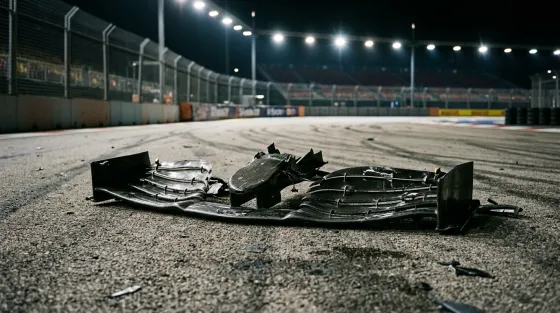
Let us set the scene. We are at Turn 2 during the Chinese Grand Prix. Lap 32. Franco Colapinto, the young Argentine sensation who has breathed new life into the Williams seat, is doing his thing. Esteban Ocon, currently driving for Haas and often the designated 'villain' in various paddock narratives, decides to make a move. There is a squeeze, there is contact, and there are carbon fibre crumbs everywhere. It was a classic racing incident. In the old days, they would have had a bit of a moan in the media pen, maybe a pointed comment in a debrief, and moved on to the next race. But this is the era of the hyper-connected fan, and things have taken a turn for the worse.
When Passion Becomes Poison
Colapinto has a massive, incredibly passionate following. This is generally a brilliant thing for the sport. Argentina has waited a long time for a hero to get behind, and Franco is certainly that. However, a vocal minority of this fanbase seems to believe that defending their driver requires sending death threats to anyone who dares to occupy the same bit of tarmac. Bullet Sports Management, who look after the young Williams driver, were forced to issue a statement. They essentially begged fans to stop the harassment, pointing out the blindingly obvious fact that sending a death threat will not undo a crash or change the race results.
The Drive to Survive Effect
We have to talk about the elephant in the room. Ever since Netflix turned F1 into a soap opera with faster cars, the demographic of the viewership has shifted. While it is great for the bottom line and the growth of the sport, it has imported a level of tribalism usually reserved for the more aggressive ends of football fandom. In the UK, we love a bit of sporting drama, but there is a line between shouting at the telly and typing out threats to a professional athlete because they missed a braking point. It is not just embarrassing; it is genuinely dangerous for the mental health of everyone involved.
Why Esteban Ocon?
Ocon seems to be a lightning rod for this kind of behaviour. Perhaps it is his history of being a robust teammate, or maybe it is just the way he is edited in documentaries. Regardless, he has become an easy target for the 'keyboard warriors'. The reality is that Ocon is a seasoned professional who was fighting for position. Whether he was at fault or not is a matter for the FIA stewards, not for a mob of angry teenagers with a smartphone and an axe to grind. The stewards gave their verdict, and that should have been the end of it.
The Tech Behind the Toxicity
From a tech perspective, this highlights a massive failure in how social media platforms moderate sports-related content. Algorithms thrive on engagement, and nothing drives engagement quite like a heated argument. When thousands of people pile onto a driver’s profile to leave abusive comments, the platforms often see it as 'trending' rather than 'harassment'. It is a systemic issue that needs addressing if F1 wants to maintain its prestige. We are seeing more and more athletes across all sports having to disable comments or hire digital security firms just to go to work.
A Lesson in Perspective
Let us be real for a moment. Most of us are currently navigating a bit of a tricky economy here in the UK. We are watching our pennies, worrying about the cost of living, and using F1 as a bit of escapism. It is a luxury hobby. To take that escapism and turn it into a platform for hate is a bizarre waste of energy. If you have enough time to send death threats to a driver in a Haas, you probably have enough time to go for a walk or learn a new skill. The sport is meant to be enjoyed, not used as a catalyst for bile.
The Management Speaks Out
The statement from Colapinto’s team was clear and firm. They praised the support of the fans but condemned the 'disrespectful and hurtful' comments directed at Ocon. They reminded supporters that Franco himself respects his competitors and that this behaviour does not represent him or his values. It is a shame they had to say it at all, but in the current climate, it was a necessary move. It is a reminder that while these drivers are global superstars, they are also human beings doing a very difficult job at 200mph.
The Verdict: Don’t Be a Berk
F1 is at a crossroads. It can either embrace the tribal, toxic nature of modern social media or it can strive to remain a gentlemanly (and ladylike) pursuit where the battles stay on the track. If you find yourself so angry about a mid-field collision that you feel the need to threaten someone's life, it is time to turn off the screen and re-evaluate your priorities. Support your driver, buy the merch if you can afford it, and cheer at the top of your lungs. But keep it civil. At the end of the day, it is just cars going around in circles, and no front wing is worth more than basic human decency.
Read the original article at source.




No comments yet. Be the first to share your thoughts.