Border Hopping for Broadband: Why Iranians are Flocking to Iraq for Eggs and Instagram
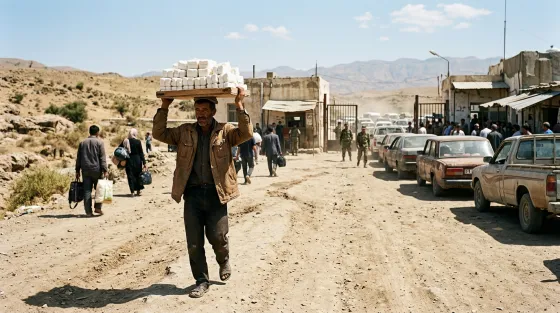
It is a strange world we live in when Iraq becomes the go-to destination for a better quality of life. For those of us sitting in the UK complaining about the price of a Freddo or the occasional dip in our fibre optic speeds, the situation on the border between Iran and the Kurdistan Region of Iraq provides a sobering reality check. Following the recent reopening of border crossings, a surge of Iranians has been making the trek across the frontier. They are not looking for a holiday. They are looking for the basic things we take for granted: affordable groceries, a day’s wages that actually cover the rent, and an internet connection that does not require three different VPNs just to send a WhatsApp message.
The Digital Great Wall of Iran
Let us talk about the tech side of things first, because that is where the frustration really hits home. In Iran, the internet is less of a global highway and more of a series of roadblocks. The government has spent years perfecting what critics call the Filternet. It is a system designed to keep the population away from the corrupting influences of, well, basically everything. Instagram, WhatsApp, and X (formerly Twitter) are all officially off-limits. For the average person in the Kurdish regions of Iran, staying in touch with family abroad is a constant battle against digital blackouts and throttled speeds.
When the border reopened, one of the first things people did was not just buy food, but reconnect. Crossing into northern Iraq means entering a zone where the internet actually works. It is a digital oasis. Imagine the relief of finally getting a signal that allows a video call to a relative in Europe without the screen freezing every two seconds. For many, this trip is a technical pilgrimage. They are crossing the border to download updates, send important documents, and remind the world they still exist. It is a stark reminder that in 2024, connectivity is not a luxury; it is a lifeline that the Iranian state is doing its best to sever.
The Great Egg Migration: Inflation and the Rial
If you think the UK cost of living crisis is bad, the Iranian Rial would like a word. The currency has been in a tailspin for years, battered by international sanctions and internal economic mismanagement. For the people living in the border provinces, the price of basic staples like eggs, meat, and cooking oil has reached levels that would make a London estate agent blush.
Northern Iraq, specifically the semi-autonomous Kurdish region, has become the local supermarket for thousands. Even with the cost of travel, it is often cheaper to cross the border, buy a week’s worth of supplies, and head back than it is to shop at the local market in Iran. We are seeing a literal cross-border grocery run. People are filling bags with poultry and pantry staples because their own currency has become essentially worthless. It is a tragic irony that a region once synonymous with conflict is now the land of plenty for its neighbours.
Wages and the Working Man
It is not just about spending money; it is about earning it. The economic disparity between the two sides of the border is staggering. A labourer in Iran might earn a pittance that barely covers a loaf of bread, whereas a day’s work in the construction or agricultural sectors of northern Iraq can pay significantly more in a more stable currency.
This has led to a seasonal migration of workers. These are people who are willing to brave the bureaucracy and the physical toll of the crossing just for the chance to work a shift that actually pays. In the UK, we often debate the merits of the gig economy, but for these workers, the gig economy is a matter of survival. They are moving where the capital is, following the money trail into a region that is slowly rebuilding itself while their own home country feels like it is sliding backwards.
Living Under the Shadow of War
We cannot ignore the geopolitical elephant in the room. The tension between Iran and Israel has reached a fever pitch, and for those living on the periphery, the fear of escalation is constant. When you live in a place where the evening news regularly discusses the possibility of missile strikes, a trip across the border offers more than just cheaper tomatoes. It offers a momentary psychological reprieve.
Northern Iraq is by no means a pacifist utopia, but compared to the heightened military state within Iran right now, it feels significantly more relaxed. People are crossing the border to breathe. They want to get away from the rhetoric, the parades of hardware, and the looming sense of dread that comes with living in a geopolitical flashpoint. It is a reminder that when the big players start posturing, it is the ordinary people on the ground who have to start packing their bags.
The Verdict: A Region in Flux
So, what is the takeaway here? From a UK perspective, it is easy to view these stories as distant tragedies, but they highlight the universal importance of three things: economic stability, digital freedom, and physical security. The fact that Iranians are flocking to Iraq for these things tells us everything we need to know about the current state of the Middle East.
The reopening of the border is a small mercy, a pressure valve for a population that is being squeezed from all sides. It allows for a flow of goods and information that the authorities in Tehran would probably prefer to keep bottled up. But as long as the Rial continues to tank and the internet remains a filtered mess, that border will remain a busy thoroughfare for anyone looking for a taste of normal life.
Final Thoughts
We should count ourselves lucky that our biggest tech headache is usually a slow Netflix stream or a high mobile roaming charge. For the people crossing into northern Iraq, the stakes are significantly higher. They are proof that human ingenuity and the desire for a better life will always find a way, even if it means crossing a border into a former war zone just to check your emails and buy some reasonably priced eggs. It is a witty, dark irony that the world has turned this way, but it is the reality for thousands today.
Read the original article at source.

No comments yet. Be the first to share your thoughts.