Asymmetric Naval Warfare: The Strategic Neutralisation of the Arctic Metagaz
The Strategic Impact of Asymmetric Naval Warfare
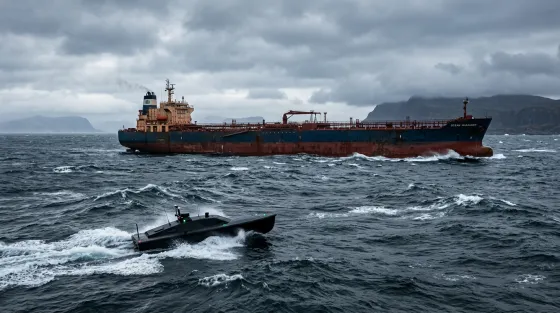
The recent neutralisation of the 277-metre-long tanker, the Arctic Metagaz, marks a pivotal moment in the ongoing maritime conflict. This vessel, a significant asset within the Russian shadow fleet, was reportedly incapacitated by Ukrainian Sea Baby unmanned surface vessels (USVs). The incident has left the vessel drifting without a crew, serving as a stark reminder of the vulnerabilities inherent in modern maritime logistics when faced with autonomous technology. The images emerging from the site depict a blackened exterior and significant structural damage, highlighting the precision and power of contemporary drone strikes.
Understanding the Shadow Fleet Context
The term shadow fleet refers to a clandestine network of ageing tankers used to transport sanctioned oil and gas. These vessels often operate with opaque ownership structures and minimal insurance coverage, circumventing international restrictions. By targeting such a vessel, Ukrainian forces are not merely striking a physical target but are actively disrupting the economic mechanisms that sustain the Russian war effort. The Arctic Metagaz, with its vast capacity, was a cornerstone of this logistical bypass. For the United Kingdom and its international partners, the existence of this fleet has long been a point of contention, as it undermines the efficacy of global sanctions and poses significant safety risks to international waters.
Technical Analysis of the Sea Baby Drones
The Sea Baby drones utilised in this operation represent a sophisticated evolution in USV technology. Developed by the Security Service of Ukraine (SBU), these craft are designed for high-speed, low-profile approaches, making them exceptionally difficult to detect and intercept using traditional radar or visual surveillance. These drones are often equipped with advanced satellite communication systems, allowing operators to navigate them over vast distances with remarkable accuracy. The resulting damage to the Arctic Metagaz, which includes significant hull breaches and extensive fire damage, demonstrates the high explosive yield and precision of these units. From an engineering standpoint, the success of these drones underscores a shift towards cost-effective, expendable weaponry that can achieve strategic results against multi-million-pound assets. This shift is particularly relevant to the UK defence sector, which is increasingly prioritising autonomous systems in its own naval modernisation programmes.
Environmental and Navigational Hazards
The current state of the Arctic Metagaz presents a multifaceted crisis. Since the vessel is drifting crewless, it poses a severe navigational hazard to other maritime traffic in the region. Furthermore, the structural integrity of the hull is in question, raising the spectre of an environmental catastrophe should the cargo or fuel begin to leak into the sea. The absence of a professional crew to conduct damage control or manage the vessel's propulsion systems means that the tanker is effectively a floating derelict at the mercy of the currents. This scenario presents a nightmare for maritime safety authorities, who must now monitor the vessel to prevent collisions or ecological disasters that could impact the broader European coastline.
Geopolitical and Economic Consequences
This strike serves as a clear signal to the global energy market. The vulnerability of the shadow fleet suggests that the risks associated with transporting sanctioned goods are escalating. For the UK economy, which remains sensitive to global energy fluctuations, the disruption of these clandestine supply chains may have indirect effects on market pricing and stability. Moreover, the tactical success of Ukraine in the Black Sea region demonstrates that naval dominance is no longer guaranteed by the size of one's fleet, but rather by the agility and technological integration of one's forces. This engagement proves that even the largest industrial vessels are susceptible to small, well-coordinated autonomous attacks.
Conclusion
The charred remains of the Arctic Metagaz illustrate the changing nature of 21st-century conflict. Asymmetric warfare, powered by rapid advancements in drone technology, has allowed a nation with a limited traditional navy to challenge a major maritime power. As the vessel continues to drift, it stands as a monument to the fragility of global shipping lanes and the efficacy of targeted, technological intervention. The international community must now grapple with the implications of such strikes, both in terms of maritime security and the environmental risks posed by abandoned, sanctioned vessels.
Read the original article at source.




No comments yet. Be the first to share your thoughts.