A Heavy Price in the Desert: The Human Cost of Military Aviation’s Workhorse
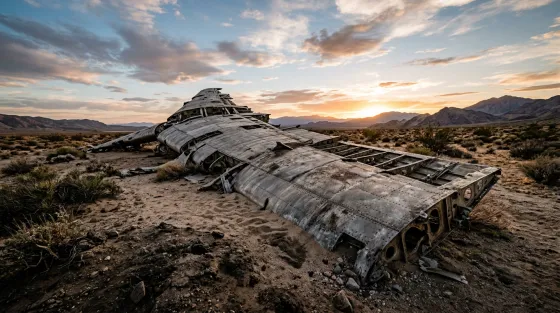
It is not often that we take a break from discussing the latest smartphone specs or debating which smart home hub won’t spy on your breakfast conversations to talk about the sobering reality of global events. However, the news coming out of Iraq this week is a stark reminder that behind every piece of high-tech military hardware, there are human lives that carry a weight no processor speed or battery life can ever measure. A KC-135 Stratotanker, the unsung hero of the skies, went down in western Iraq, and with it, we lost six remarkable individuals.
The Radiant Mother and Her Crew
Among those identified is Master Sgt. Kelly Flynn, a 37-year-old mother from Kentucky. To her friends and family, she was described as radiant, a word that feels tragically bright against the backdrop of a desert crash site. It is easy to forget, when looking at grainy footage of military operations on the evening news, that these are people with families, hobbies, and lives that look remarkably like ours. They just happen to do their work at thirty thousand feet while carrying thousands of gallons of highly flammable jet fuel.
The crew was a mix of seasoned veterans and younger service members, including Maj. Jeffrey T. Hoernemann, Maj. Zachary S. Jensen, Capt. Curtis J. Eccleston, Tech. Sgt. Casey J. Hart, and Staff Sgt. Justin M. Williams. These names represent a massive loss to their communities. In a world where we often obsess over the trivial, their sacrifice is a grounding, albeit heartbreaking, reality check. These individuals were part of the 912th Air Refueling Squadron, based out of March Air Reserve Base in California, proving that the reach of these tragedies spans across continents and oceans.
The KC-135: A Flying Petrol Station from a Bygone Era
Let’s talk about the tech for a moment, because that is what we do here. The KC-135 Stratotanker is, for all intents and purposes, a flying petrol station. But it isn't just any petrol station: it is a vintage one. If you think your old MacBook Pro is starting to show its age, consider that the KC-135 first took to the skies in the mid-1950s. It is based on the same basic design as the Boeing 707, a plane that pioneered the jet age but has long since been retired from commercial service by almost every airline on the planet.
The fact that the US military is still flying these planes in active combat zones in 2024 is a testament to two things: incredible engineering and a somewhat terrifying commitment to getting every last penny out of a procurement budget. While the UK has moved on to the much more modern Airbus A330 MRTT (known as the Voyager in RAF service), our American cousins are still wrestling with airframes that were built when the Beatles were still playing in Hamburg. These planes are old, loud, and require an immense amount of maintenance to keep them airworthy.
The Engineering Challenge
Maintaining a 60-year-old jet is not like keeping a classic Mini on the road. You cannot just pop down to the local garage for a spare part. Many of the components for the KC-135 have to be custom-fabricated because the original manufacturers went out of business decades ago. It is a constant battle against metal fatigue, corrosion, and the simple fact that technology has moved on. The avionics have been updated, sure, but at its core, it is still a mid-century machine doing a 21st-century job.
The mission in Iraq, while not the high-intensity conflict it once was, still demands a lot from these aircraft. Refueling missions are the backbone of any aerial operation. Without the Stratotanker, fighter jets and surveillance planes would have the range of a budget electric scooter on a cold day. They are essential, which makes the risk they carry all the more significant.
The UK Perspective: Efficiency vs. Legacy
From a British perspective, we often look at the sheer scale of the US military with a mix of awe and budgetary anxiety. We tend to lean towards multi-role platforms like the Voyager, which can carry passengers, cargo, and fuel all in one go. The US, however, likes its specialists. The KC-135 does one thing very well: it pumps fuel. But as this tragedy shows, using specialist kit that is older than the pilots flying it comes with a built-in risk factor that no amount of polish can hide.
In the UK, we are currently navigating our own economic belt-tightening, and the Ministry of Defence is constantly under pressure to do more with less. Yet, there is a lesson here about the true cost of 'making do'. When we talk about value for money in tech, we usually mean how many years of software updates we get. In military terms, value for money is measured in decades of service, but the ultimate price is paid in human lives when things go wrong.
The Verdict: A Somber Reminder
We don't have all the answers yet regarding why this specific plane went down. The military is investigating, and we should avoid speculation. What we do know is that six people who were doing a difficult, often boring, but entirely necessary job won't be coming home. It is a reminder that even in an era of drones and AI, the human element remains the most fragile and the most valuable part of the system.
For those of us sitting at home, perhaps getting annoyed that our Wi-Fi is a bit spotty or that the latest tech launch was a bit underwhelming, it is worth taking a second to appreciate the stability we enjoy. The technology we use for entertainment and convenience is a world away from the technology used to maintain global security, but both rely on people who are just trying to do their best.
Our thoughts are with the families of Master Sgt. Flynn and her crew. They were operating a piece of history in a dangerous part of the world, and they paid the highest price possible. In the grand scheme of things, no gadget or software update matters half as much as the people who operate them.
Read the original article at source.




No comments yet. Be the first to share your thoughts.