A Critical Evaluation of the 2026 Formula 1 Technical Regulations and Driver Discontent
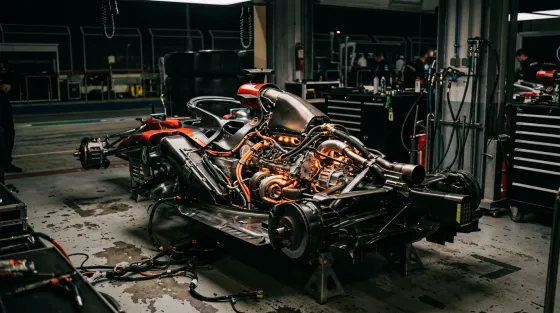
The landscape of Formula 1 is poised for a significant transformation in 2026, yet the proposed regulatory framework has met with substantial resistance from the sport’s leading figures. Max Verstappen, the reigning world champion, has expressed profound concerns regarding the technical direction of the sport, specifically targeting the new power unit configurations. His critique suggests that the emphasis on electrical energy management may compromise the fundamental nature of grand prix racing, potentially reducing it to a spectacle reminiscent of arcade simulations.
The Shift to Hybrid Dominance
The 2026 regulations represent a paradigm shift in automotive engineering within the sport. The governing body, the FIA, has mandated a power split that is nearly equal between the internal combustion engine and the electrical energy recovery systems. While this move is intended to align Formula 1 with global sustainability goals and the strategic interests of major manufacturers, it introduces significant technical hurdles. The requirement for cars to generate and deploy vast amounts of electrical power necessitates a complex system of energy management that many fear will overshadow traditional driving skill.
The Mario Kart Comparison
Verstappen has famously likened the upcoming changes to the popular video game Mario Kart, a comparison that highlights his frustration with the proposed "Override Mode." This feature is designed to provide drivers with a temporary boost in electrical power to facilitate overtaking, similar to the existing Drag Reduction System but focused on the power unit rather than aerodynamics. From an academic perspective, this raises questions about the authenticity of competition. If overtaking becomes a result of software-managed energy bursts rather than superior race craft or aerodynamic efficiency, the sport risks alienating its core audience who value pure mechanical competition.
Sporting Integrity and the Driver Experience
The Dutchman’s assertion that these rules will come back to bite the sport suggests a concern for its long-term viability. In his view, the necessity for drivers to manage battery levels so intensively could lead to awkward racing scenarios, such as drivers downshifting on straights to regenerate energy. This contradicts the traditional ethos of Formula 1, which prioritises maximum velocity and technical precision. For the spectator, the complexity of energy states may be difficult to follow, leading to a less engaging experience. The integrity of the sport relies on the perception that the best driver in the best machine wins through merit, not through the strategic exploitation of artificial boost mechanics.
Economic Implications for the UK Motorsport Industry
The United Kingdom serves as the central hub for the majority of Formula 1 teams, and any significant change in the sport’s popularity has direct economic consequences for the region. The 2026 rules are partly designed to make the sport more attractive to new entrants, thereby securing its financial future. However, if the racing product is perceived as inferior or overly artificial, the commercial value of the championship could stagnate. A decline in global viewership would impact the sponsorship revenues and technical investments that flow into the UK’s "Motorsport Valley," making this more than just a sporting debate: it is a matter of industrial stability.
Conclusion: Balancing Innovation and Tradition
As we approach the implementation of these regulations, the tension between environmental progress and sporting tradition remains unresolved. Max Verstappen’s vocal opposition serves as a critical reminder that the drivers are the primary stakeholders in the racing experience. While the pursuit of sustainable technology is a noble and necessary goal, it must not come at the expense of the competitive spirit that has defined Formula 1 for decades. The challenge for the FIA will be to refine these rules to ensure that the 2026 season remains a true test of human and mechanical excellence.
Read the original article at source.




No comments yet. Be the first to share your thoughts.