Why Global Conflict Might Mean Your Next Petrol Fill-Up Costs a Fortune
The Unwelcome Ripple Effect
Let’s be honest: just when we thought we might finally get a handle on the cost of living crisis, the geopolitical map has decided to throw a spanner in the works. The escalating conflict in the Middle East is more than just a headline on your evening news. For those of us in the UK, it is a stark reminder that our bank accounts are tethered to events happening thousands of miles away.
Why Does This Happen?
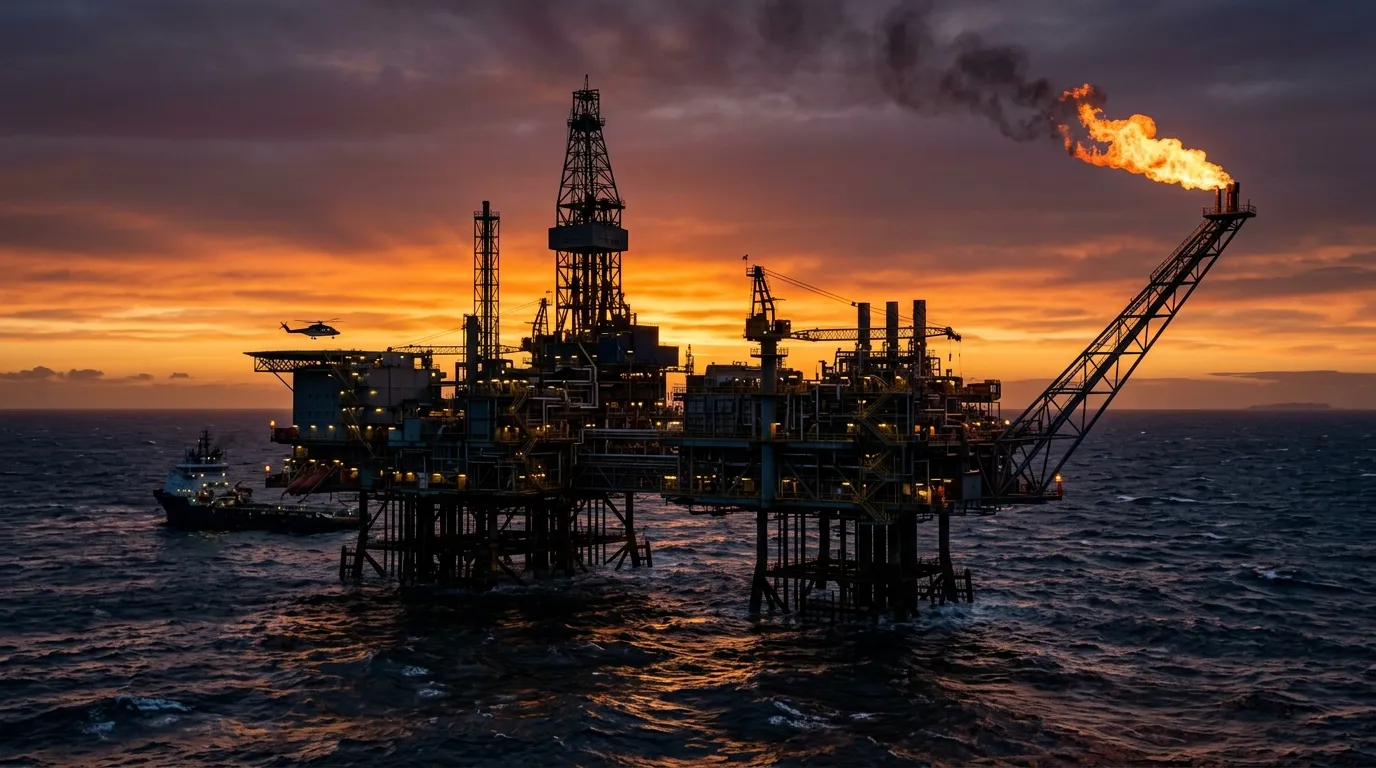
It is all about supply chains and, more importantly, oil. The Middle East is the engine room of the global energy market. When tensions rise in that region, the markets get jittery. Oil is the lifeblood of transport, heating, and manufacturing. When the supply becomes uncertain, the price per barrel climbs, and that cost is passed straight down the chain to you at the pump.
The Petrol Pump Pain
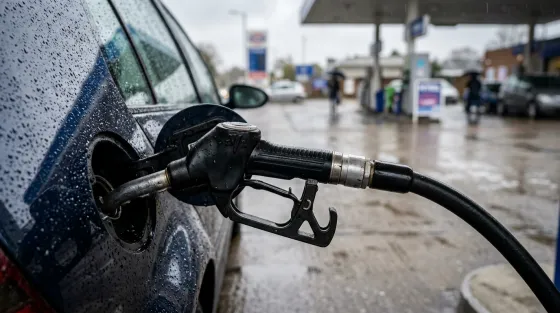
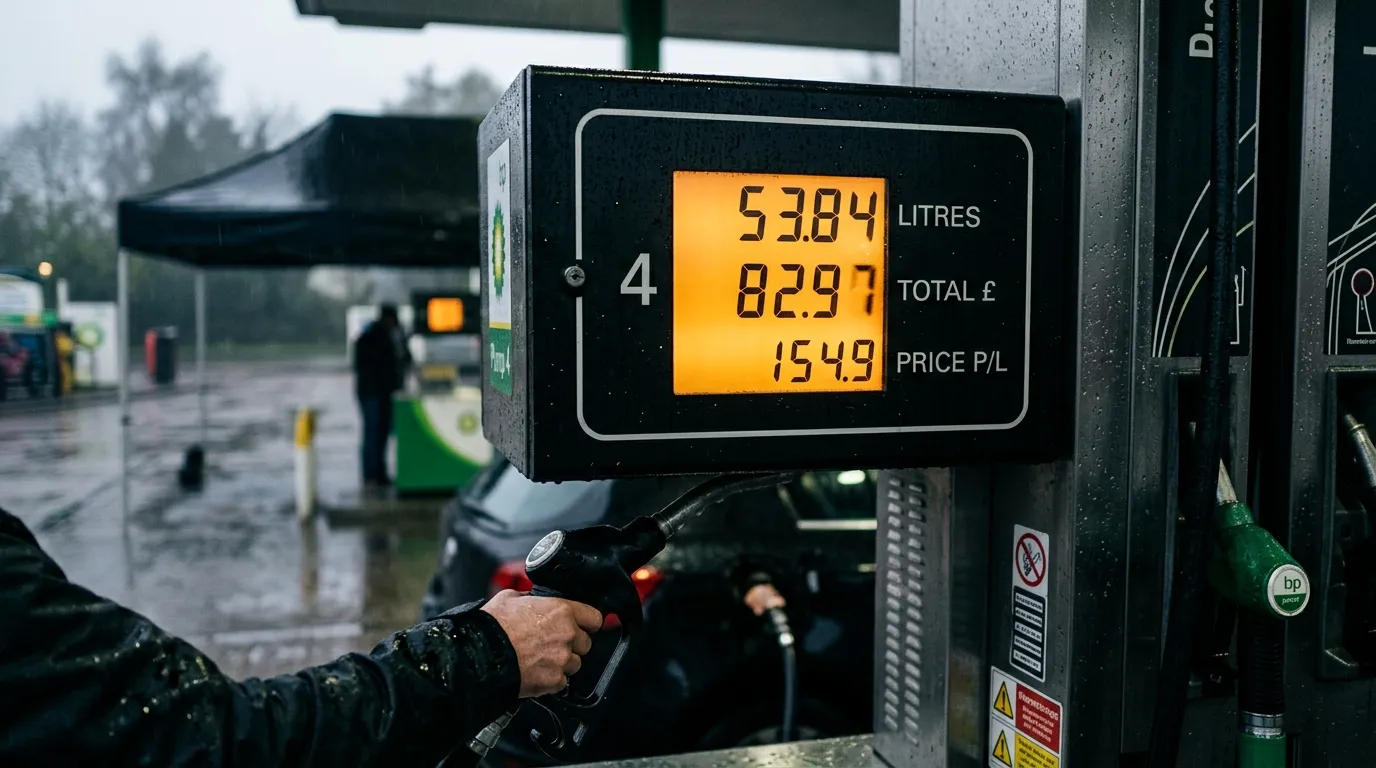
We have all been there. You pull into the petrol station, look at the price board, and feel a sudden urge to trade your car in for a horse and cart. If oil prices spike due to regional instability, expect those prices to head north again. It is a predictable, albeit miserable, cycle of supply and demand. If you are already tightening your belt, this is going to make your commute or school run significantly more expensive.
Energy Bills and the Food Shop
It is not just the petrol station that will feel the pinch. Energy costs are notoriously sensitive to these global shifts. If the price of gas rises, your household energy bill will likely follow suit, especially as we head into the colder months. It is a frustrating reality that when the world gets noisier, our bills tend to get higher.
Then there is the supermarket. Everything you buy has to be transported, and the cost of that haulage is baked into the price of your bread and milk. Higher fuel prices mean higher logistics costs, which means the price of your weekly shop is likely to creep up. It is a domino effect that hits the most vulnerable hardest.
What Can You Actually Do?
I am not here to tell you to panic, as that rarely helps the bank balance. Instead, focus on what you can control:
- Review your direct debits: See if there is any subscription you have forgotten about.
- Shop around: Use price comparison tools for your energy and insurance.
- Energy efficiency: Small changes at home, like turning the thermostat down by a degree, can make a difference over a year.
Ultimately, we are spectators to global events, but we are the ones paying the bill. Stay informed, keep an eye on your spending, and prepare for a bit of volatility in the coming months. It is not exactly the news we wanted, but at least we can plan for it.
Read the original article at source.


No comments yet. Be the first to share your thoughts.