Gas, Geopolitics, and Global Headaches: Why the South Pars Strike Matters
A Dangerous New Chapter
If you thought the global energy market was already volatile, the recent developments in the Middle East have just cranked the dial up to eleven. The strike on the South Pars gas field in Iran isn't just another headline; it is a significant shift in how regional tensions are playing out. When you start targeting the infrastructure that keeps the lights on and the heaters running, you are moving from shadow boxing into a very different kind of arena.
Why South Pars is a Big Deal
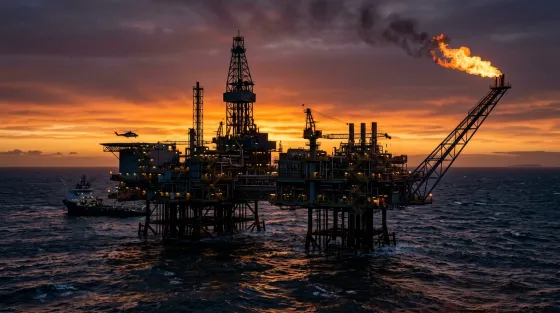
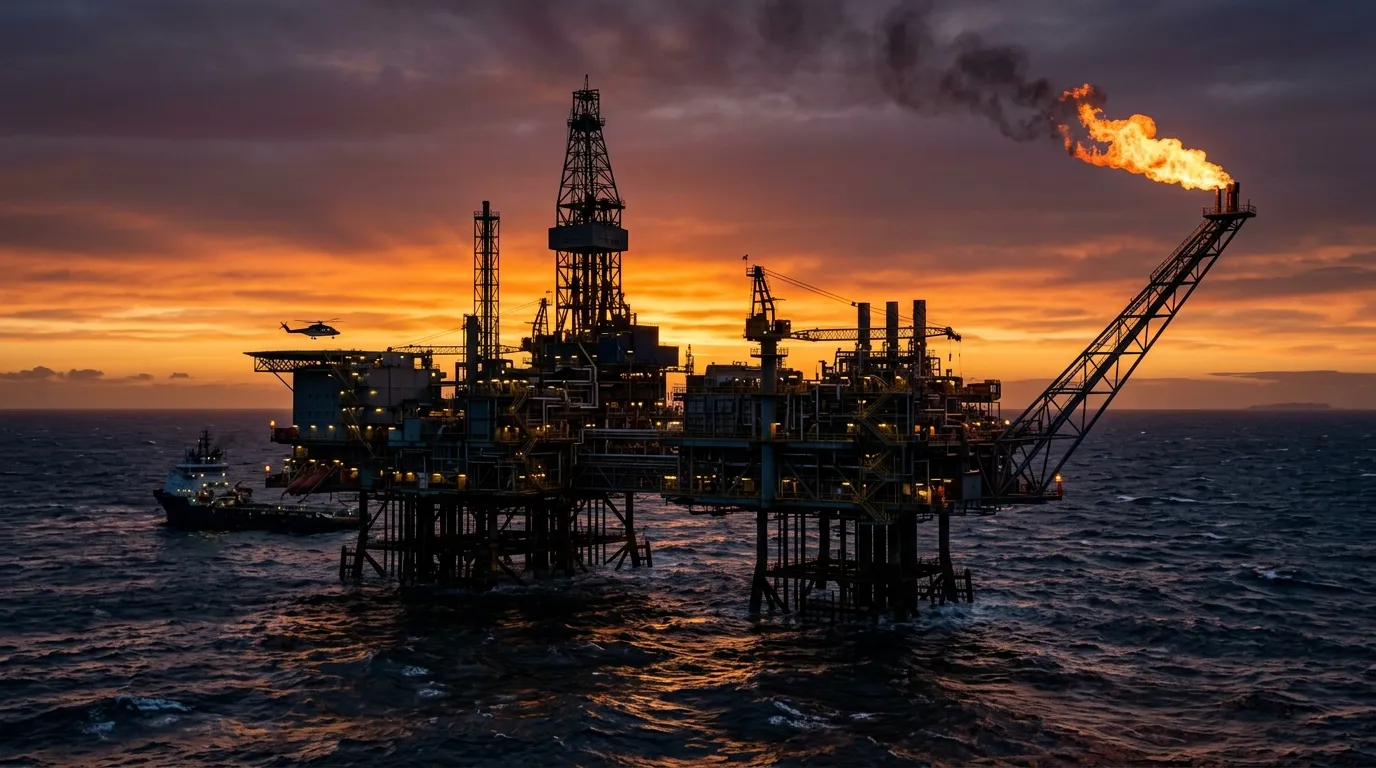
Let us be clear: South Pars is not some minor facility. It is arguably the most important piece of energy infrastructure in Iran, if not the entire region. It is a massive offshore field that Iran shares with Qatar. For Tehran, it is the crown jewel of their economic output. Attacking it is not just a military move; it is a direct strike at the country's economic jugular.
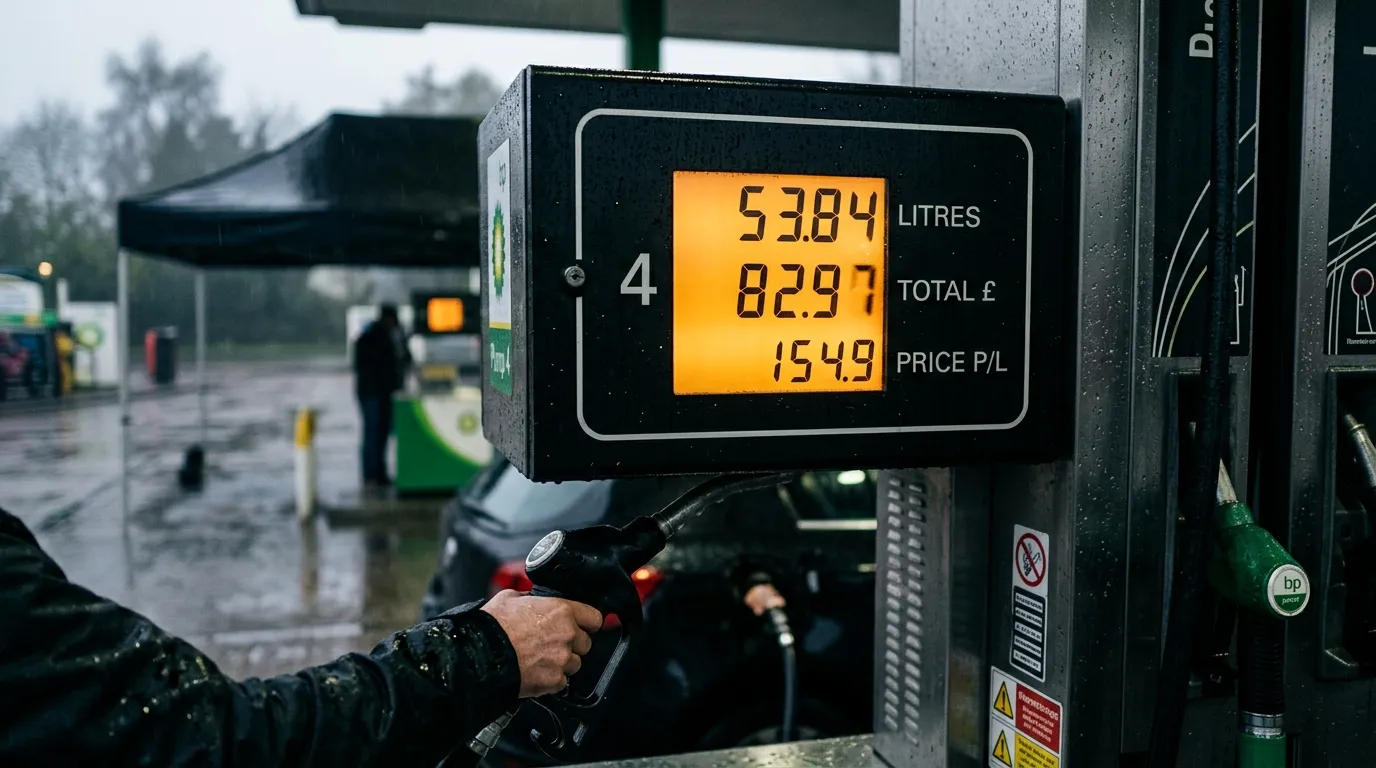
For the average person in the UK, looking at their energy bills with a sense of dread, this news matters. When major gas producers are hit, global supply chains shudder. Even if we aren't directly importing Iranian gas, the interconnected nature of global commodities means that market uncertainty inevitably leads to price hikes at the pump and on our utility bills.
The Trump Factor
Donald Trump has been quick to distance himself from the incident, claiming he was kept in the dark about the Israeli strike. Whether that is a genuine lack of communication or a strategic pivot for his own political narrative, it adds a layer of surrealism to the situation. When the man who positions himself as the ultimate dealmaker claims he didn't see this coming, it suggests that the current level of coordination between allies and their regional partners is, at best, fraying.
The Escalation Ladder
The retaliation from Tehran was swift and heavy. This is the classic escalation ladder in action. One side takes a swing at critical infrastructure, the other hits back with force, and suddenly we are in a territory where the risk of miscalculation is dangerously high. It is no longer just about proxy groups or border skirmishes; we are talking about the industrial backbone of nations.
- Energy Security: This highlights how fragile our reliance on Middle Eastern energy really is.
- Market Volatility: Investors hate uncertainty, and this situation is providing plenty of it.
- Diplomatic Silence: The lack of a unified international response speaks volumes about the current state of global diplomacy.
We are watching a high stakes game of chicken where the passengers are the global economy. If this pattern of targeting critical infrastructure continues, we might be looking at a future where energy prices remain permanently elevated, not because of supply and demand, but because of geopolitical spite.
The Bottom Line
It is easy to get lost in the noise of political finger pointing, but the takeaway for us here in the UK is simple: instability in the Persian Gulf has a direct line to our wallets. We need to stop pretending that these events are happening in a vacuum. They are happening in the very systems that fuel our daily lives. Until there is a move toward de-escalation, expect the energy markets to remain as jittery as a cat in a room full of rocking chairs.
Read the original article at source.


No comments yet. Be the first to share your thoughts.