Trump Swipes Left on Peace: Why the Iran Conflict is Settling in for the Long Haul
The Geopolitical Standoff That Just Won't Quit
Just when we thought the global stage could do with a quiet fortnight, the volume has been turned up to eleven. We are now entering the third week of the escalating friction involving Iran, Israel, and the United States. If you were hoping for a quick handshake and a return to normalcy, I have some rather disappointing news for you. It seems the main players have decided that a long, drawn out saga is much more to their liking than a sensible resolution.
Donald Trump, a man not exactly known for his love of subtle diplomacy or quiet retreats, has made it abundantly clear that he is not ready for a peace deal. In his characteristic style, he has essentially told the world that the time for talking is currently on hold. Meanwhile, Tehran has responded with the geopolitical equivalent of 'come and have a go if you think you are hard enough,' insisting they will continue to fight for as long as it takes. It is a bit like watching two stubborn neighbours argue over a garden fence, except both neighbours have access to ballistic missiles and the fence is the entire Middle East.
The Art of the No-Deal
For those of us watching from the comfort of the UK, the rhetoric coming out of Washington is both familiar and exhausting. Trump's refusal to entertain a peace deal right now is a classic power play. By signaling that he is not ready to sit at the table, he is trying to force Iran into a position of weakness. However, the Iranian leadership is not exactly new to this game. They have spent decades navigating sanctions, internal strife, and external pressure. To them, Trump's stance is just another Tuesday.
Iran's insistence on fighting for the long term is more than just bravado. It is a message to their domestic audience and their regional proxies that they are not about to fold under pressure. For the average person in Britain, this might seem like distant posturing, but the implications are far reaching. When these two giants dig their heels in, the shockwaves travel fast, usually hitting us right in the wallet.
Why Your Petrol Bill is About to Get Ugly
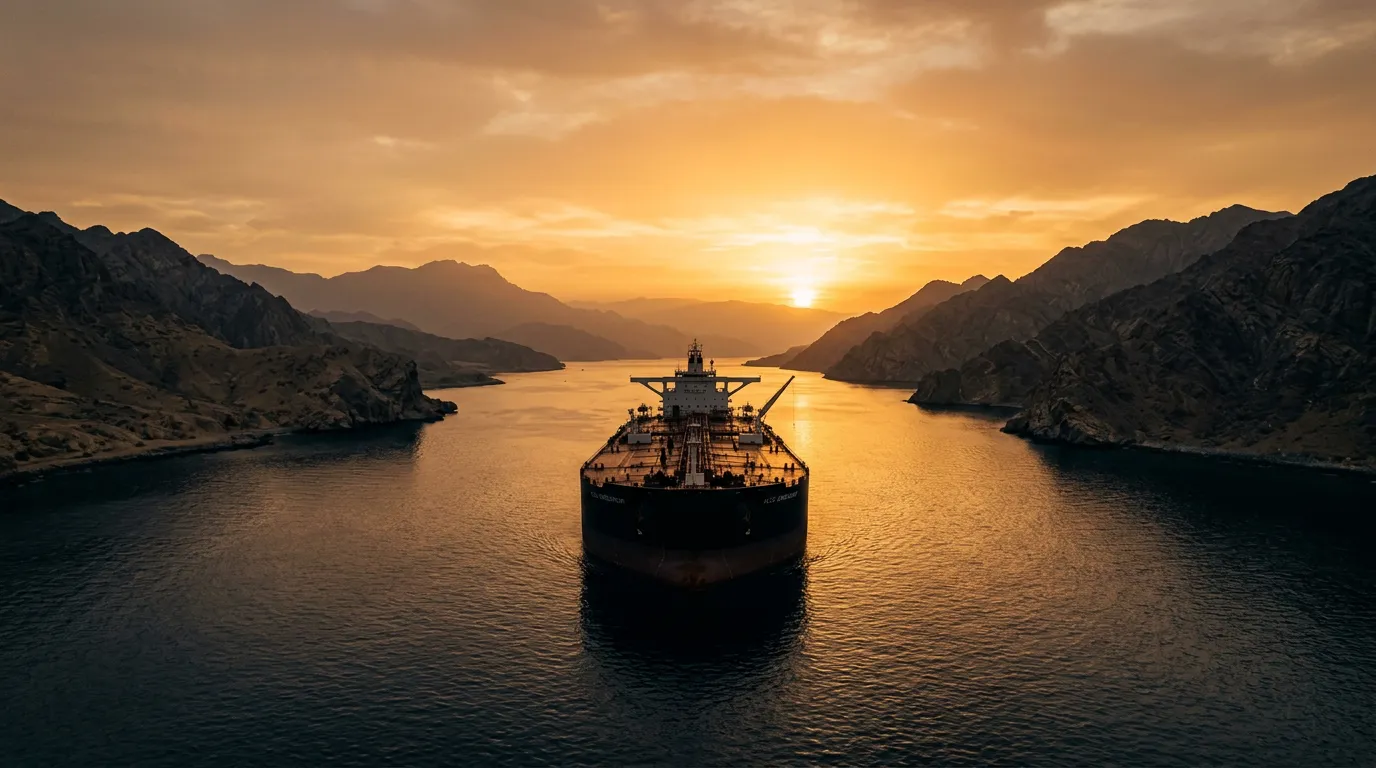
Let's talk about the bit that actually matters to most of us: the economy. The UK economy is currently about as stable as a house of cards in a gale. We are all feeling the pinch, and the last thing we need is another spike in energy prices. The Middle East remains the world's petrol station, and any hint of a long term conflict sends the markets into a proper tizzy.
If Iran decides to make good on its promise to fight indefinitely, we are looking at prolonged uncertainty in the oil markets. We have already seen how sensitive petrol prices are to global tension. A few more weeks of this 'will they, won't they' combat and you might find that filling up your Ford Focus costs more than a weekend in the Cotswolds. It is a grim reality, but in a globalised economy, a drone strike in one hemisphere leads to a price hike at your local BP in the other.
The Tech of Modern Mayhem
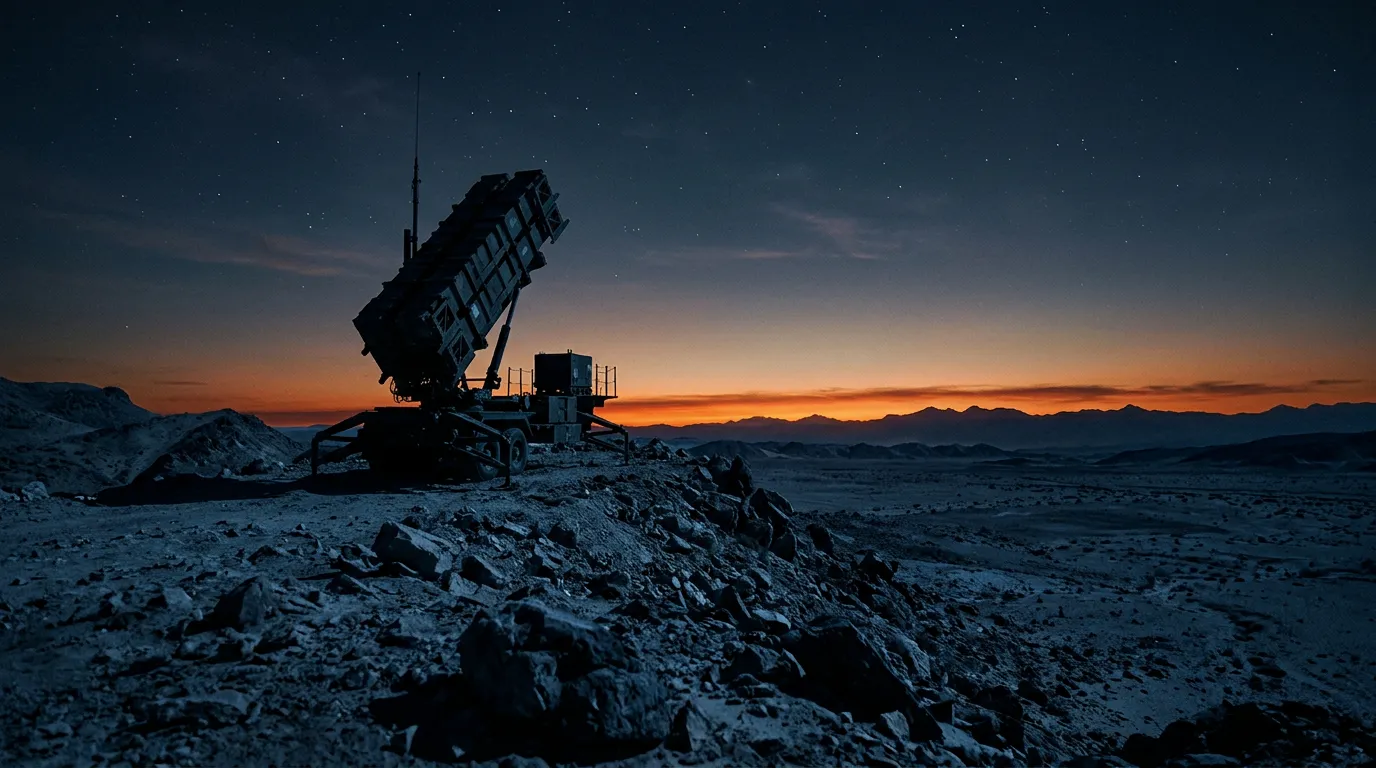
From a tech perspective, this conflict is a sobering reminder of how much warfare has changed. We are no longer just looking at tanks and infantry. This is the era of the 'cheap' war, where relatively low cost drones can cause absolute chaos for sophisticated defence systems. Iran has become a significant player in the drone market, exporting technology that allows smaller forces to punch well above their weight.
Then there is the cyber aspect. For every physical missile launched, there are likely a thousand digital ones aimed at infrastructure, banking, and government systems. As a tech blog, we often talk about the wonders of connectivity, but this is the dark side of that coin. The UK's own cyber defences are constantly on high alert during these periods of tension. It is a reminder that the gadgets we love can also be turned into tools of disruption on a massive scale.
The British Perspective: Caught in the Middle
While the US and Iran trade barbs, the UK government is left in a bit of a pickle. We want to maintain our 'special relationship' with the States, but we also have a vested interest in regional stability and, frankly, not seeing our energy bills double again. Keir Starmer's government is walking a tightrope, trying to support an ally while also calling for de-escalation that nobody seems interested in.
There is also the question of what 'as long as it takes' actually means. For Iran, it could mean years of asymmetrical warfare and regional disruption. For Trump, it might mean a period of 'maximum pressure' that lasts until the next election cycle or beyond. Neither of these options bodes well for the UK's desire for a predictable, stable global market.
The Verdict: A Long Winter Ahead
So, what is the takeaway from all this? It is hard to be optimistic when both sides are actively choosing conflict over conversation. Trump is betting that he can outlast and outpressure the Iranian regime, while Iran is betting that they can endure whatever is thrown at them. It is a test of wills where the losers are inevitably the civilians on the ground and the global consumers who have to foot the bill.
Is there a silver lining? Perhaps only that this conflict is forcing a more honest conversation about energy independence and the need for robust cyber security. But in the short term, we should all probably prepare for a bit of a bumpy ride. If you were planning a road trip or hoping for a drop in your heating bills, you might want to manage your expectations.
Pros of the Current Situation:
- Forces a serious look at UK energy security and renewables.
- Highlights the importance of cyber security in the modern age.
- Encourages diplomatic diversification beyond just the US-UK axis.
Cons of the Current Situation:
- Potential for significant increases in petrol and energy costs.
- Increased risk of regional instability spreading.
- Market volatility that hurts pensions and investments.
Ultimately, until someone is willing to be the first to blink, we are stuck in this holding pattern. Trump wants a 'better' deal, Iran wants respect and survival, and the rest of us just want to be able to afford a tank of fuel. It is a mess, and unfortunately, it is a mess that looks set to stay for the foreseeable future.
Read the original article at source.
No comments yet. Be the first to share your thoughts.