Running on Empty: Can Israel’s Defence Shield Hold Out Against Iran?

The Interceptor Crunch
Three weeks into the latest escalation between Israel and Iran, the mood in the region has shifted from high alert to genuine logistical anxiety. We are seeing reports suggesting that Israel is burning through its stock of air defence interceptors at an unsustainable rate. It is a classic case of quantity versus quality, and for a nation that relies heavily on its Iron Dome and Arrow systems, the numbers are starting to look a bit shaky.
Why This Matters for the Everyday User
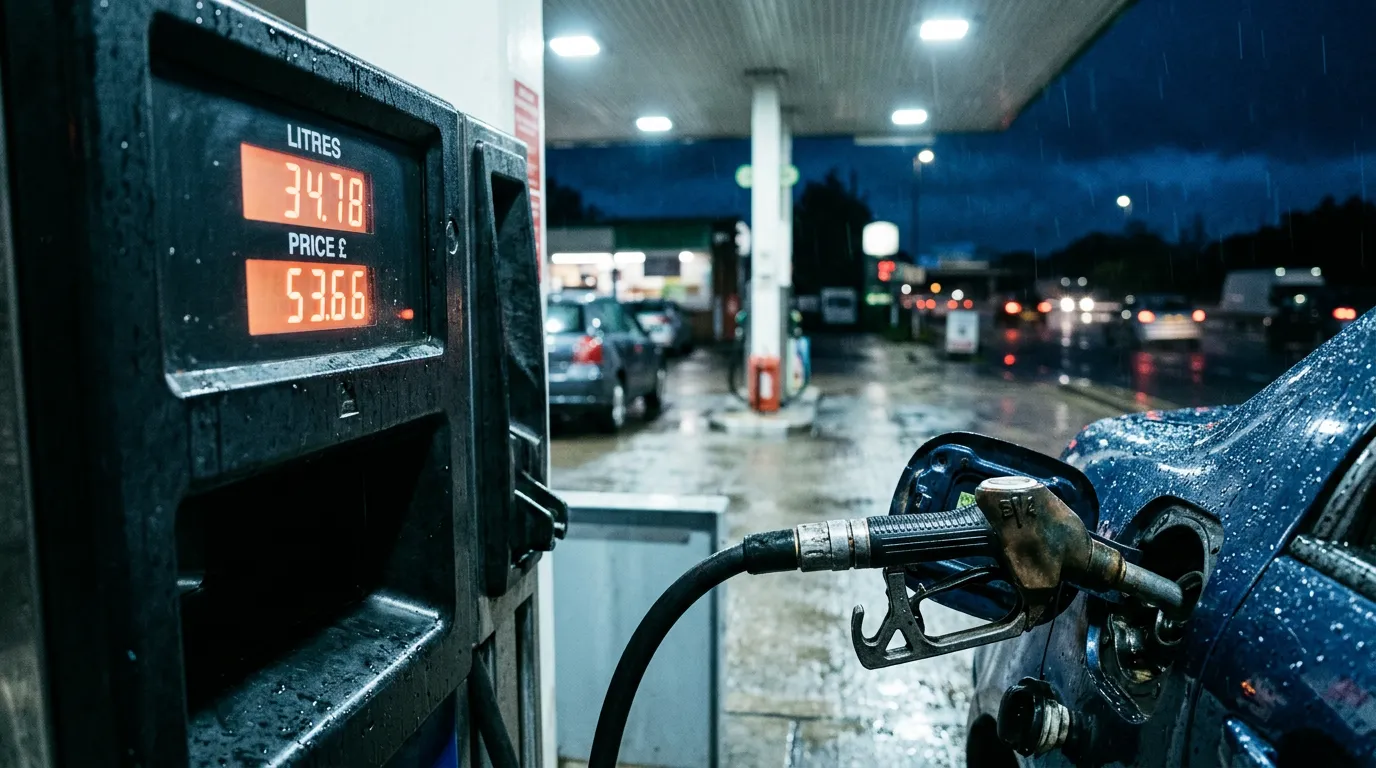
You might wonder why a tech and lifestyle blogger is talking about regional defence. Well, modern warfare is essentially a high-stakes tech showcase. When we talk about these interceptors, we are talking about multi-million pound pieces of hardware that represent the cutting edge of aerospace engineering. If these systems run dry, the impact isn't just geopolitical; it creates a massive shift in how global markets react, which hits our wallets right here in the UK through fuel prices and inflation.
The Reality of the Stockpile
Let's be clear: defence manufacturing is not like ordering from Amazon. You cannot simply restock precision-guided missile interceptors overnight. The supply chain for the components required to build these defensive systems is incredibly complex. If the reports are accurate, Israel is facing a genuine procurement headache. It is the military equivalent of having a smartphone battery that drains faster than your charger can refill it.
The Strategic Outlook
The core issue here is sustainability. Iran has clearly adopted a strategy of saturation, launching enough drones and missiles to force Israel into using its expensive defensive assets. It is a cynical, effective way to bleed an opponent dry. For Israel, the challenge is no longer just about stopping the incoming projectiles; it is about managing a limited inventory while waiting for replenishment from international allies, primarily the United States.
What Should We Expect?
If the interceptors do run out, the tactical landscape changes instantly. We would likely see a shift in defensive doctrine, perhaps moving towards more focused protection of critical infrastructure rather than blanket coverage of population centres. It is a grim reality, but one that is becoming increasingly likely if this conflict drags on without a diplomatic breakthrough.
Ultimately, this is a stark reminder that even the most advanced military technology has a shelf life in a sustained conflict. It is a race against time, inventory, and the brutal maths of attrition.
Read the original article at source.




No comments yet. Be the first to share your thoughts.