Why Global Tensions Could Soon Hit Your Weekly Food Shop
The Cost of Conflict Hits Home
We often think of geopolitical crises as things that happen on the evening news, comfortably distanced from our daily lives. Unfortunately, the National Farmers Union (NFU) has issued a sobering warning that suggests the potential for conflict in the Middle East is about to make a very unwelcome appearance in our local supermarkets.
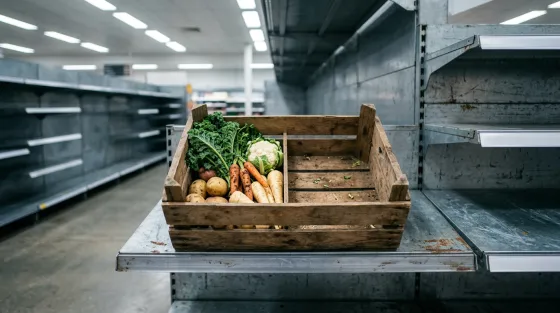
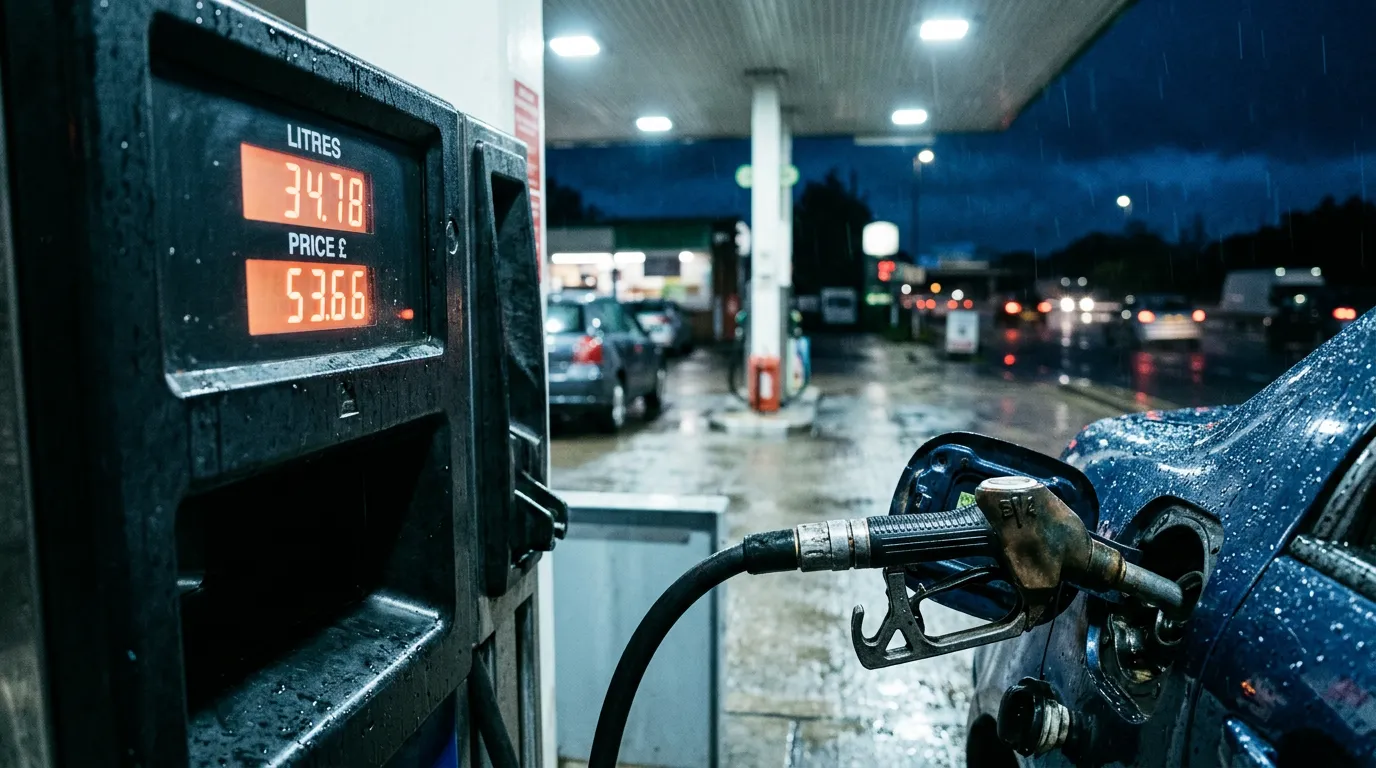
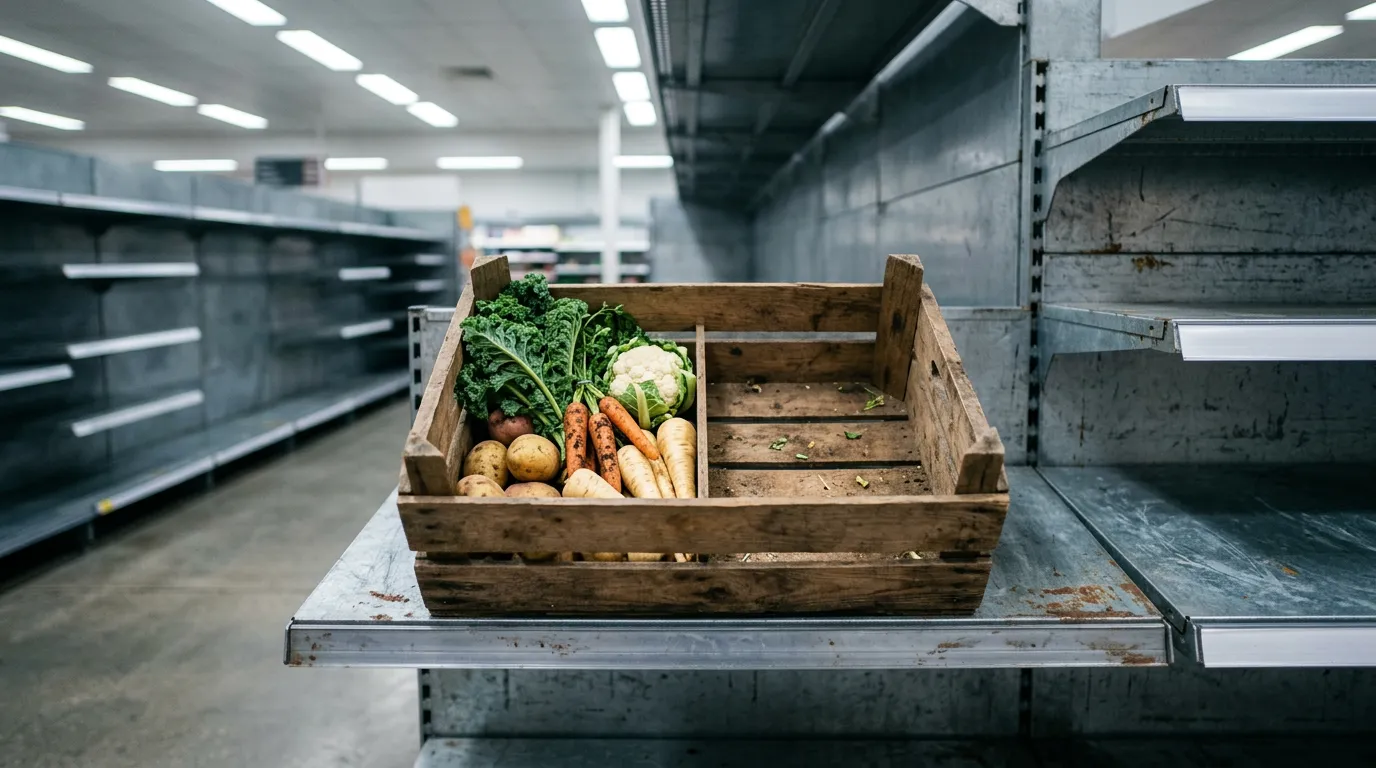
It is not just about the price of petrol at the pump anymore. When global stability wavers, the supply chain feels the shockwaves almost immediately. For the average UK household, this could translate into a sharper rise in food prices and, potentially, those dreaded empty shelves.
Why Does the Middle East Matter to British Farmers?
You might wonder why a dispute thousands of miles away affects a field in Somerset. The answer is fuel and fertiliser. Modern agriculture is an energy intensive business. If conflict disrupts oil routes, the cost of diesel for tractors and the price of nitrogen based fertilisers skyrocket.
Farmers are already operating on razor thin margins. When their input costs jump overnight, they simply cannot absorb those losses. They have two choices: pass the costs on to the retailers or cut production. Neither option is good for your shopping basket.
The Impact on Your Wallet
We have spent the last few years dealing with the fallout of inflation, and just as things were starting to feel slightly more predictable, the prospect of further instability is a headache nobody needs. If the NFU is correct, we are looking at a scenario where the price of staples like bread, dairy, and seasonal vegetables could climb significantly.
It is worth remembering that the UK food supply chain is fragile. We rely heavily on imported goods and energy. When the global market panics, our supermarkets are often the first to feel the squeeze. If suppliers cannot afford to ship goods, or if the cost of production makes local farming non viable, prices go up and availability goes down.
Is There a Silver Lining?
If there is a positive takeaway, it is that the industry is being vocal about these risks early. By highlighting the connection between foreign policy and food security, the NFU is putting pressure on the government to consider the agricultural sector in its strategic planning. We need a more resilient food system that does not collapse every time there is a geopolitical hiccup.
What Should You Do?
While you certainly do not need to start panic buying pasta, it is a reminder to shop smarter. Support local producers where possible to reduce reliance on long, complex supply chains. Keep an eye on your budget and perhaps look for more seasonal alternatives to imported produce.
The reality is that food security is a national security issue. We should all be paying closer attention to how these global events influence the cost of our weekly shop.
Read the original article at source.

No comments yet. Be the first to share your thoughts.