The Strait of Hormuz Standoff: Why Your Petrol Pump Might Get Grumpy
A Narrow Chokepoint With Massive Consequences
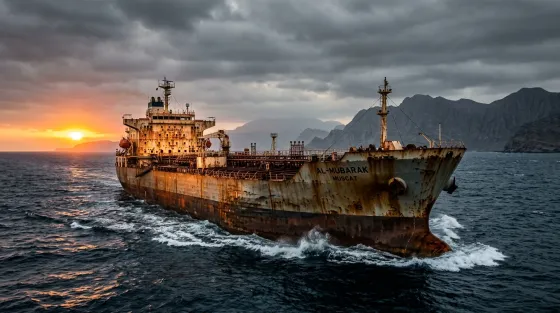
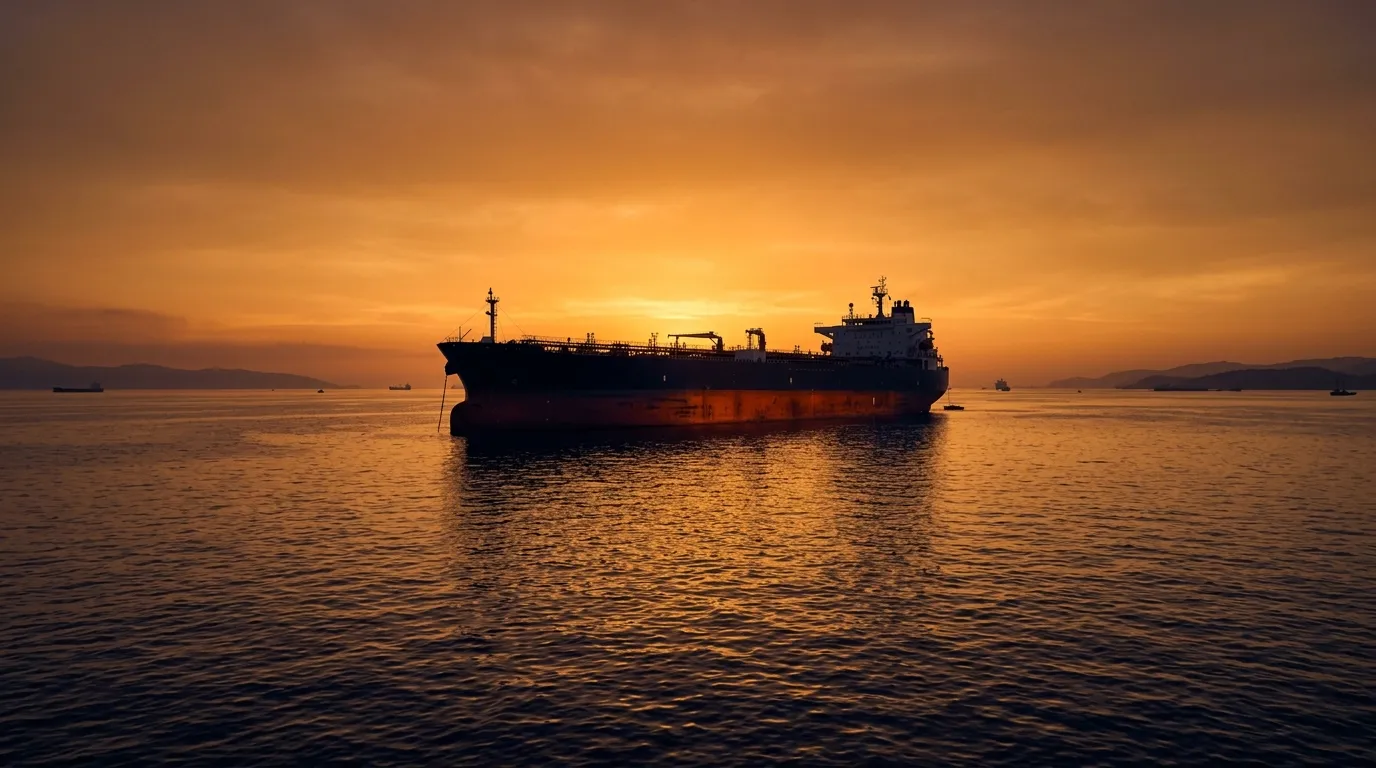
If you have been keeping half an eye on the global economy lately, you might have noticed a sudden chill in the air when it comes to energy prices. The Strait of Hormuz is essentially the world’s most important plumbing system for crude oil. When a fifth of the globe's oil supply decides to take a detour or stop moving entirely, things get expensive very quickly.
Since early March, the usual bustling maritime highway has looked more like a ghost town. With roughly 90 ships managing to navigate the waters since the conflict escalated, the sheer drop in volume is staggering. For those of us in the UK, this isn't just a distant geopolitical spat; it is a direct line to our local petrol stations.
Why This Matters to Your Wallet
Let us be honest: energy security is rarely a headline that excites the masses until the cost of a tank of petrol makes you wince. Because the Strait of Hormuz acts as the primary artery for oil tankers heading out of the Persian Gulf, any disruption here creates a ripple effect that hits global supply chains. When supply drops and uncertainty rises, the price per barrel climbs, and that cost is inevitably passed down to the consumer.
While we are not seeing a total shutdown, the reduction in traffic is significant. It is a stark reminder of how fragile our globalised energy market truly is. We rely on these narrow stretches of water to keep the lights on and our cars running, yet we rarely give them a second thought until they become the centre of a standoff.
The Reality of the Situation
It is easy to get caught up in the sensationalism of international news, but the reality on the water is a complex dance of military posturing and cautious navigation. Shipping companies are having to weigh the risks of transit against the astronomical costs of rerouting. For the captains involved, this is not just a job; it is a high stakes game of chess where the pieces are multi million pound vessels and the board is one of the most volatile regions on earth.
We should be wary of speculation regarding how long this will last. Geopolitics is rarely predictable, and the situation in the Strait remains fluid. However, for the average Brit watching their monthly budget, the message is clear: keep an eye on the energy markets, because they are likely to remain jittery for the foreseeable future.
Is There a Silver Lining?
If there is one takeaway, it is that the UK needs to continue prioritising its own energy independence. Relying on a fragile maritime bottleneck is a recipe for long term economic anxiety. While we cannot change the geography of the Middle East, we can certainly focus on diversifying our own energy mix to buffer against these inevitable supply shocks.
Read the original article at source.

No comments yet. Be the first to share your thoughts.