Tensions Escalate: UN Peacekeepers Injured in Southern Lebanon Incident
A Dangerous Turn of Events in Southern Lebanon
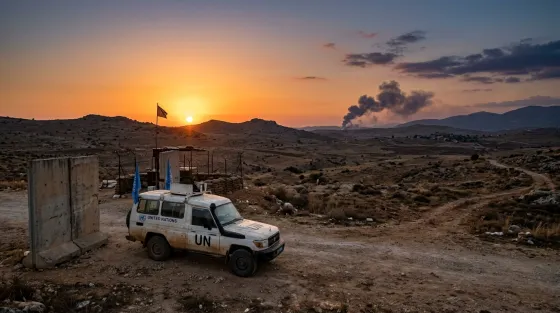
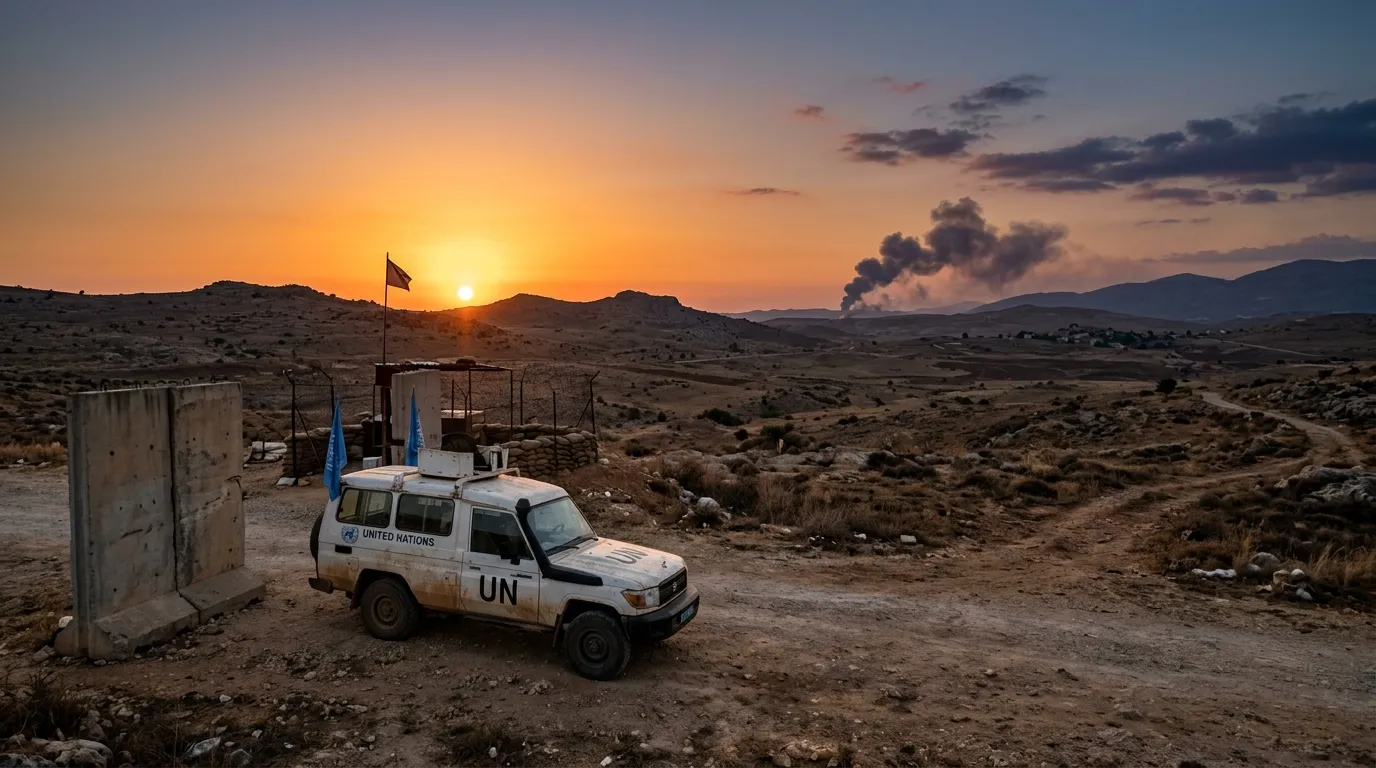
In a deeply concerning development, the Israeli military has confirmed that its tank fire struck a United Nations base in Lebanon, resulting in injuries to peacekeepers stationed in the region. This incident marks a significant escalation in the volatile border area, raising serious questions about the safety of international personnel tasked with maintaining stability.
What Actually Happened?
The Israel Defence Forces (IDF) have acknowledged that their troops were responsible for the strike. According to their official statement, the fire was a response to anti-tank missile activity originating from Hezbollah positions in the immediate vicinity. The IDF maintains that they were engaging a threat, but the reality on the ground remains messy and dangerous for those caught in the crossfire.
Why This Matters for Global Stability
For those of us watching from the UK, it is easy to view these events as distant geopolitical noise. However, the involvement of UN forces makes this a matter of international law and collective security. When peacekeepers are injured, it suggests that the mechanisms intended to prevent all-out war are failing to provide a buffer.
The Regional Context
The border between Israel and Lebanon has been a pressure cooker for decades. With Hezbollah holding significant military influence in southern Lebanon, the region is constantly on the brink of a larger conflict. This latest incident is not an isolated event but a symptom of a systemic breakdown in communication and de-escalation protocols.
- UN personnel are meant to be neutral observers.
- Cross-border fire creates an unpredictable environment.
- Diplomatic channels are under immense strain.
While the IDF claims they were reacting to legitimate threats, the optics of hitting a UN base are catastrophic. It challenges the very mandate of the United Nations Interim Force in Lebanon (UNIFIL) and leaves us wondering how much longer these peacekeepers can effectively operate in such a hostile climate.
Looking Ahead
We are watching closely to see how the United Nations responds to this breach of their security. Historically, these incidents lead to sternly worded letters and emergency meetings in New York, but rarely do they provide immediate relief to those on the ground. As taxpayers funding international aid and peacekeeping missions, we should be concerned about the safety of these individuals and the lack of a clear exit strategy or de-escalation path for the wider region.
Read the original article at source.


No comments yet. Be the first to share your thoughts.