Tensions Boil Over: The Tragic Escalation on the Afghan-Pakistani Border
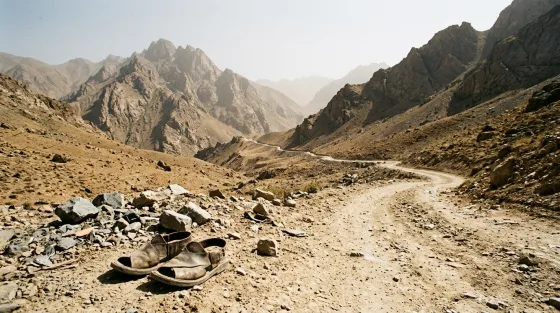
A Fragile Border Turns Volatile
It is the kind of news that feels depressingly familiar, yet remains utterly heartbreaking. Reports have emerged detailing a sharp escalation in hostilities between Taliban forces and the Pakistani military along the contested border. The human cost? Two children have reportedly been killed in the crossfire. For those of us watching from the comfort of our UK homes, it is easy to view these events as distant geopolitical noise, but the reality on the ground is a grim reminder of how quickly regional instability can spiral.
Why This Matters Now
Border disputes between Afghanistan and Pakistan are not exactly a new phenomenon. The Durand Line, the border separating the two nations, has been a source of contention for decades. However, the current intensity of these exchanges suggests that the diplomatic guardrails are failing. When military hardware starts being traded across a border, it is rarely just a local spat; it is a signal of deteriorating relations between two regimes that have struggled to find common ground.
The Human Cost Behind the Headlines
At the centre of this conflict are the families caught in the middle. The reports of civilian casualties, particularly children, highlight the brutal efficiency of modern border skirmishes. When military personnel engage in artillery exchanges, the distinction between combatants and civilians often vanishes, and it is the local population that pays the ultimate price for political and territorial posturing.
The Broader Geopolitical Context
From an economic perspective, instability in this region is a nightmare for trade routes and regional security. Pakistan is already grappling with a fragile economy, and the last thing it needs is a hot border conflict. Similarly, the Taliban regime is desperate for international legitimacy and economic relief, both of which become increasingly difficult to attain while trading fire with their neighbours. It is a lose-lose scenario that seems to lack a clear exit strategy.
What Should We Expect Next?
If history is any judge, we can expect a period of heated rhetoric followed by a tense, uneasy silence until the next incident occurs. Diplomatic channels are likely working overtime behind the scenes, but until the underlying territorial disagreements are addressed, these skirmishes are destined to repeat. For the average observer, this serves as a sombre reminder that peace is often the first casualty of political friction.
Read the original article at source.



No comments yet. Be the first to share your thoughts.