Strait Talk: Why Europe is Saying 'Thanks, But No' to Trump's Latest Request
A Diplomatic Cold Shoulder
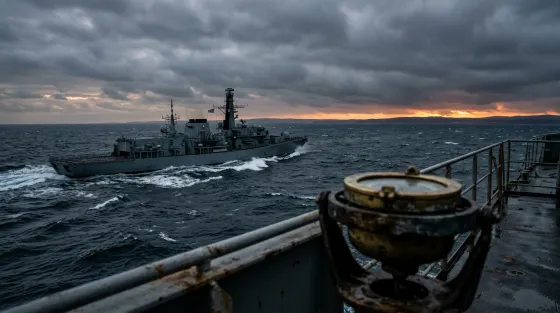
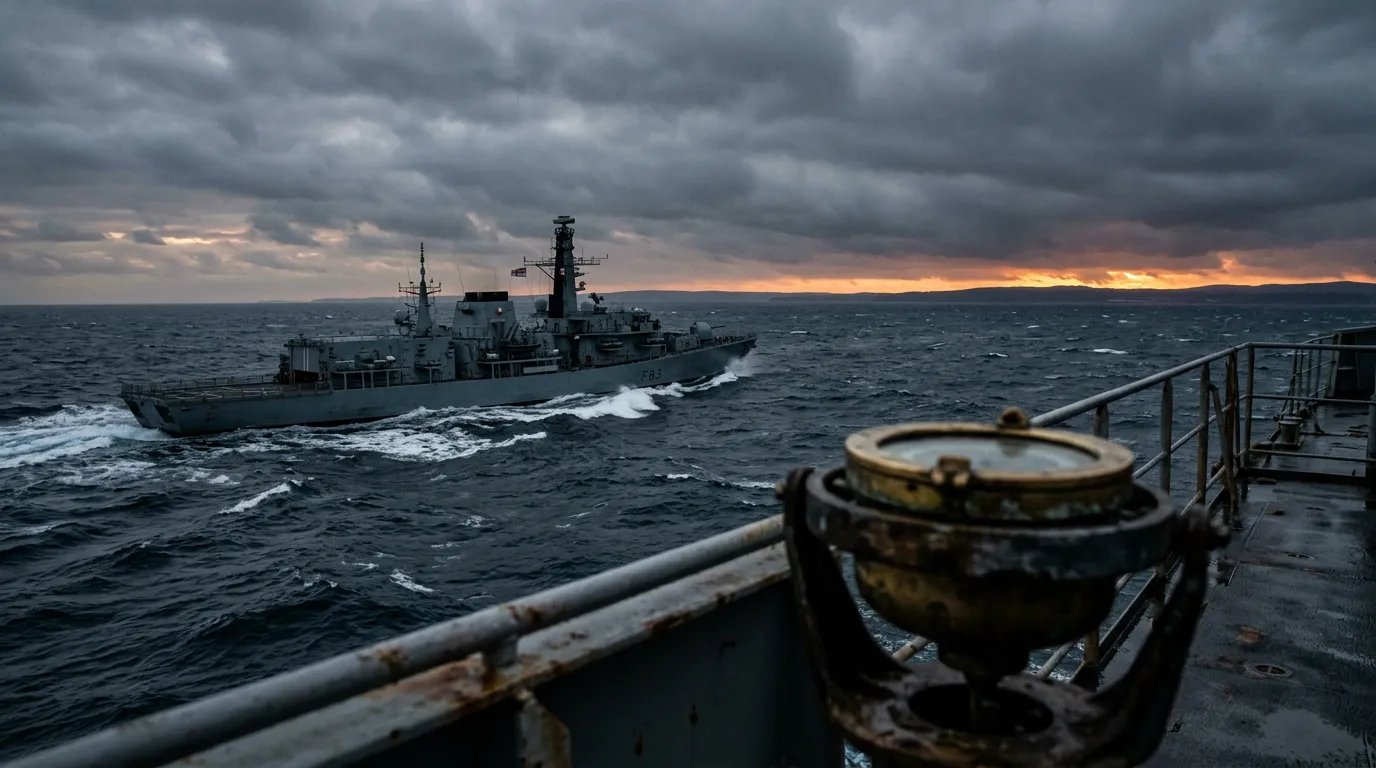
It appears that the transatlantic phone lines are currently buzzing with a rather awkward brand of silence. Donald Trump, never one to shy away from a direct request, has expressed his profound unhappiness and surprise at the reluctance of his European counterparts to deploy warships to the Strait of Hormuz. His specific gripe? Sir Keir Starmer’s refusal to commit the Royal Navy to the cause, alongside a rather blunt dismissal from German Chancellor Friedrich Merz, who reminded the White House that this is simply not a Nato war.
The Nato Clause Conundrum
For those who need a refresher on international military alliances, Nato is a collective defence pact. It is designed for when a member is attacked, not as a global errand boy for every regional flare-up that captures the attention of the Oval Office. Merz’s stance is legally sound and politically pragmatic. By stating that this is not a Nato conflict, he is effectively drawing a line in the sand. Germany, much like the UK, is currently balancing a tight domestic budget and has little appetite for engaging in expensive, open-ended maritime patrols in the Middle East.
Why Starmer is Playing it Cool
Sir Keir Starmer’s position is equally telling. The UK is currently navigating a period of fiscal austerity where every pound counts. Sending frigates to the Strait of Hormuz is not just a diplomatic statement; it is a massive logistical and financial undertaking. With the cost of living still biting hard at home, the British public is unlikely to support a military escalation that offers no clear benefit to the UK economy or national security. There is a palpable sense in Westminster that Britain’s role should be focused on diplomacy rather than acting as the primary muscle for US foreign policy objectives.
The Value of Strategic Autonomy
What we are witnessing here is a shift in the geopolitical wind. European leaders are increasingly wary of being dragged into conflicts that do not directly threaten their borders. While the alliance between the US and Europe remains a cornerstone of Western security, there is a growing consensus that European nations must prioritise their own strategic autonomy. It is a balancing act: maintaining a strong partnership with Washington without sacrificing domestic stability or sovereignty.
The Verdict
The refusal to send ships is a clear signal that the days of automatic compliance are fading. Trump’s surprise is perhaps a sign that he misjudged the current political climate in Europe. Both London and Berlin are signalling that while they value the alliance, they will not be coerced into military commitments that do not align with their own national interests. It is a bold, albeit risky, stance that suggests a more independent and cautious approach to global security in the coming years.
Read the original article at source.




No comments yet. Be the first to share your thoughts.