Storm Clouds Brewing: Why Middle East Unrest Could Mean More Channel Crossings
The NCA Chief Weighs In
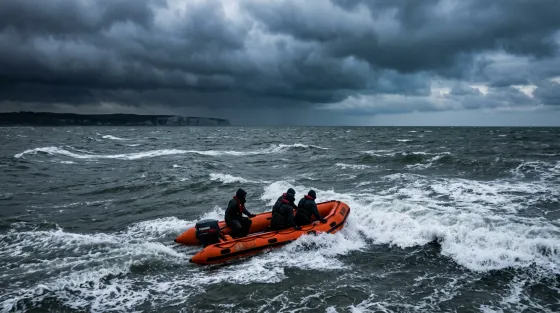
It is rarely a dull day at the National Crime Agency. Graeme Biggar, the head of the organisation, has recently laid out his annual assessment of the threats currently knocking on Britain's door. Amongst the usual suspects of organised crime and drug-related tragedies, one headline has caught the attention of those keeping a close eye on our borders: the potential for a surge in small boat arrivals linked to the escalating conflict in the Middle East.
The Ripple Effect of Geopolitics
Let us be clear: the world is a volatile place right now. Biggar has suggested that the instability in Iran and the broader Middle East could act as a catalyst, pushing more people to seek safety in the UK. It is a sobering reminder that what happens thousands of miles away often has a direct, tangible impact on our own shores. When stability crumbles in one region, the displacement of people becomes an inevitable, if tragic, consequence.
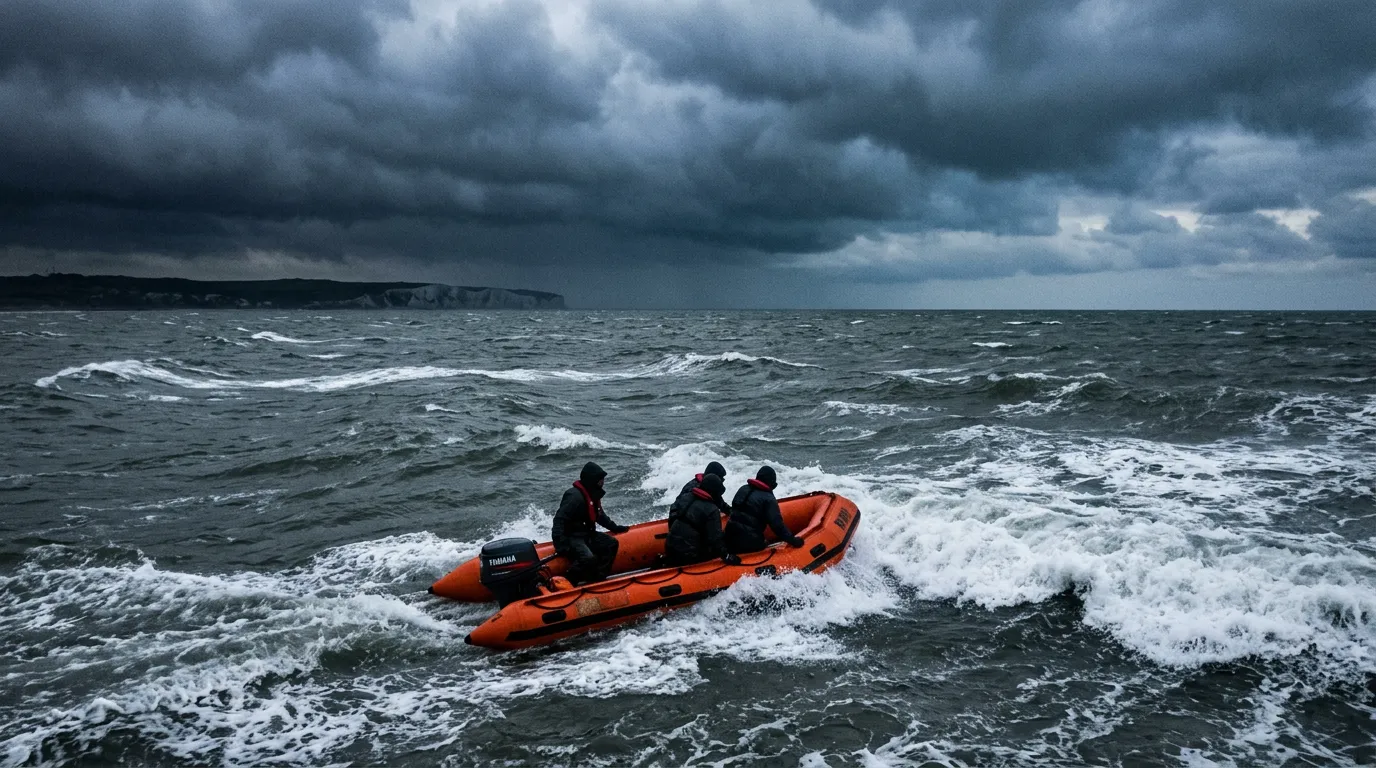
For those of us watching the headlines, this is not just about numbers on a page. It is about the complex web of human movement. Biggar notes that as conditions worsen in conflict zones, the criminal gangs facilitating these dangerous Channel crossings will likely see a spike in demand for their services. It is a grim business model that thrives on desperation.
Beyond the Boats: The Wider Picture
While the focus is often on the politics of the Channel, Biggar's report served as a broader wake-up call. We are facing a multi-faceted crisis. He highlighted the devastating rise in drug-related deaths across the UK, a problem that feels far more immediate to the average household than the geopolitical shifts in Tehran. When you combine the pressure on our borders with the internal struggle against organised crime, it is clear that the NCA has its work cut out.
Is there a silver lining? Hardly. But understanding the connection between global instability and domestic pressure is vital. We cannot ignore the fact that our national security is inextricably linked to international affairs. If the UK is to manage its borders effectively, it needs to look at the root causes, not just the symptoms.
What Does This Mean for the UK?
From a purely pragmatic, UK-economy-minded perspective, the strain on resources is palpable. Every new arrival, every security operation, and every enforcement measure carries a cost, both in pounds sterling and in administrative bandwidth. We are effectively playing a game of whack-a-mole with criminal syndicates who are far more agile than the legislative processes designed to stop them.
Biggar’s assessment is not an invitation to panic, but it is certainly a prompt to pay attention. We are living in an era where the lines between foreign policy and domestic crime have blurred significantly. Whether you are concerned about immigration policy or the safety of our streets, one thing is certain: the challenges we face are not going to be solved with simple soundbites or quick fixes.
Read the original article at source.


No comments yet. Be the first to share your thoughts.