Fuel Prices Are Climbing Again: Why Your Commute Is About to Get More Expensive
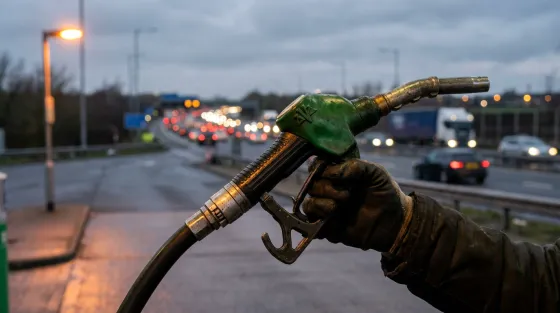
The Pump Pain Returns
If you have filled up your car recently, you have likely noticed that sinking feeling in your stomach as the digits on the pump tick upwards faster than your bank balance. According to the RAC, we are firmly on a collision course with 170p per litre for diesel, while petrol has already jumped by 10p compared to the pre-conflict pricing we saw before the recent escalation in the Middle East.
Why Is This Happening?
It is the classic economic headache: geopolitical uncertainty. When tensions flare in the Middle East, oil markets get the jitters. Because we live in a globalised economy, those jitters translate directly into higher wholesale costs for fuel. By the time those costs filter down to our local forecourts, the average motorist is left footing the bill.
It is not just about the cost of crude oil, either. Sterling fluctuations and the general volatility of global trade mean that any stability we enjoyed over the last few months is rapidly evaporating. For the everyday driver, this is more than just an inconvenience; it is a genuine hit to the household budget during an already tight economic climate.
The Impact on Your Wallet
Let us be honest: nobody enjoys paying more to get to work or the supermarket. With diesel heading towards that 170p mark, those who rely on diesel vehicles for business or long commutes are going to feel the pinch hardest. It is a stark reminder that our reliance on fossil fuels leaves us incredibly vulnerable to events happening thousands of miles away.
Is There Any Good News?
Honestly? Not really. While governments often talk about monitoring the situation, the reality is that market forces are largely out of their hands. Rachel Reeves and the Treasury are under pressure to consider how this impacts the cost of living, but short of a dramatic intervention in fuel duty, there is very little that can be done to stop the immediate rise at the pumps.
What Can You Do?
While you cannot control global oil prices, you can take a few steps to mitigate the damage to your finances:
- Shop Around: Use apps like PetrolPrices to find the cheapest fuel in your immediate area. A few pennies saved per litre adds up over a full tank.
- Drive Efficiently: Gentle acceleration and maintaining a steady speed can significantly improve your fuel economy.
- Check Your Tyres: Under-inflated tyres increase rolling resistance, which forces your engine to work harder and burn more fuel.
- Consolidate Trips: Where possible, combine errands to reduce the number of cold starts, which are particularly fuel-hungry.
Ultimately, we are at the mercy of the markets. Until the geopolitical dust settles, expect to keep digging deeper into your pockets every time that fuel light flickers on.
Read the original article at source.



No comments yet. Be the first to share your thoughts.