Russia Playing the Middle East Card: Zelensky Sounds the Alarm on Air Defence
A Very Cynical Game of Distraction
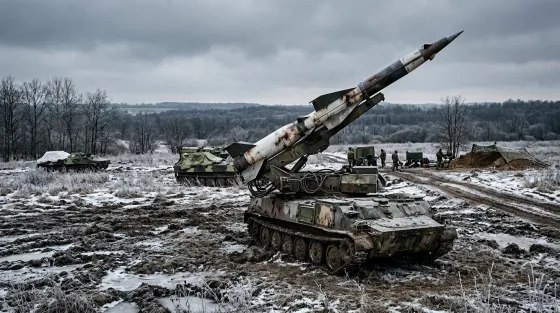
In the world of global politics, timing is everything. While the rest of the world has its eyes glued to the escalating tensions between Iran and Israel, Vladimir Putin is reportedly rubbing his hands together. Volodymyr Zelensky has pointed out that the Kremlin is effectively using the chaos in the Middle East as a smoke screen for its own continued military operations in Ukraine. It is the geopolitical equivalent of a pickpocket starting a fight in a pub just so they can nip off with your wallet while you are busy watching the scuffle.
The Cost of Looking Away
The latest round of Russian bombardment has been particularly grim. At least five people lost their lives in a fresh wave of attacks that served as a pointed reminder that, despite the headlines moving elsewhere, the missiles are still flying. For the average Brit watching the news, it can feel like a relentless cycle of tragedy, but for those on the ground, the concern is increasingly technical. Zelensky is not just worried about the headlines; he is worried about the hardware. He has cast a very public shadow of doubt over the current supply of air-defence missiles, and for good reason.
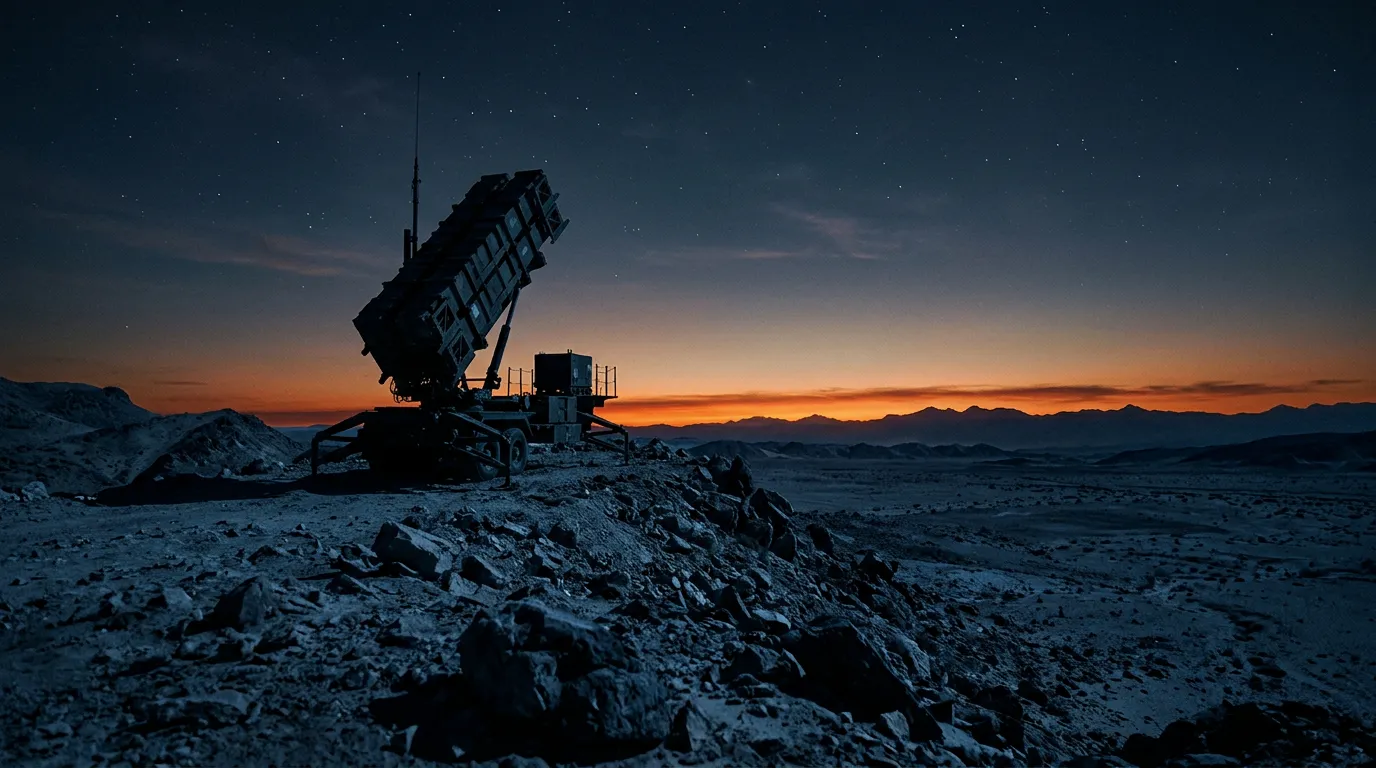
Ukraine relies heavily on sophisticated air-defence systems to keep its cities from being levelled. These systems are marvels of modern engineering, but they have one significant flaw: they are incredibly expensive to run and require a constant supply of interceptor missiles. When the global focus shifts, the political will to keep those supply lines moving can sometimes falter. In the UK, where we are already feeling the pinch of a sluggish economy and high cost of living, the conversation often turns to how much we can afford to send. However, as Zelensky notes, the alternative is far more costly in the long run. If the air-defence shield fails, the reconstruction costs and the human toll will be astronomical.
The Iranian Connection
It is no secret that Russia and Iran have become the best of friends lately. They are like that one pair of troublemakers at the back of the classroom who keep swapping notes on how to cause havoc. Iran provides the Shahed drones that have become a persistent nuisance in Ukrainian skies, and in return, Russia offers a level of diplomatic cover and technical expertise. By exploiting the current war in the Middle East, Russia is essentially trying to stretch Western resources to breaking point. They want the West to choose between supporting Israel or supporting Ukraine, hoping that we simply run out of patience, or missiles, or both.
The Kremlin thrives on instability. If the West is busy trying to prevent a regional war in the Middle East, it has less time, energy, and money to focus on the front lines in Donetsk or Kharkiv.
Why the Tech Matters
From a tech perspective, this is a war of attrition played out with sensors and guidance systems. Ukraine needs more than just bullets; it needs high-end radar and the kind of anti-missile tech that can distinguish between a cheap decoy and a genuine threat. The UK has been a leader in providing some of this kit, but our own stockpiles are not bottomless. We are seeing a real-time test of whether Western manufacturing can keep up with a prolonged, high-intensity conflict. It is a wake-up call for the entire NATO alliance: the era of assuming we have enough ammo for a rainy day is over. It is pouring, and we need more umbrellas.
The irony is that the very drones Iran is using to threaten its neighbours are the same ones being used to terrorise Ukrainian civilians. It is a unified front of technological terror. Zelensky's plea is simple: do not let the distraction of a new fire allow the old one to burn out of control. If the air-defence missiles run dry, the human cost will skyrocket, and the geopolitical map of Europe could be permanently altered. We are talking about systems that cost millions of pounds per shot to take down drones that cost about as much as a second-hand Ford Fiesta. The maths is brutal, and it is currently skewed in Russia's favour.
The Verdict
We are living in an era where news cycles move faster than a fibre-optic connection, but some things require long-term attention. Russia is betting on the West getting bored or distracted by the next shiny, or in this case, tragic object. It is a cynical strategy, but it is one that has worked before. For those of us in the UK, supporting Ukraine is not just about charity; it is about ensuring that the technology of defence stays one step ahead of the technology of destruction. We cannot afford to look away just because the channel has changed.
Read the original article at source.



No comments yet. Be the first to share your thoughts.