Protocol and Politics: The Delicate Optics of the Dignified Transfer
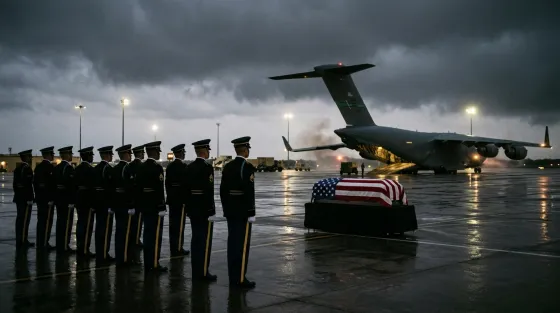
A Sombre Ceremony Amidst Political Noise
In the high stakes world of international diplomacy and military engagement, few rituals are as solemn as the dignified transfer. It is a moment intended for reflection, respect, and the quiet mourning of those who have made the ultimate sacrifice. However, when the political theatre of a presidency collides with such a profound human cost, things inevitably get complicated.
The Recent Controversy
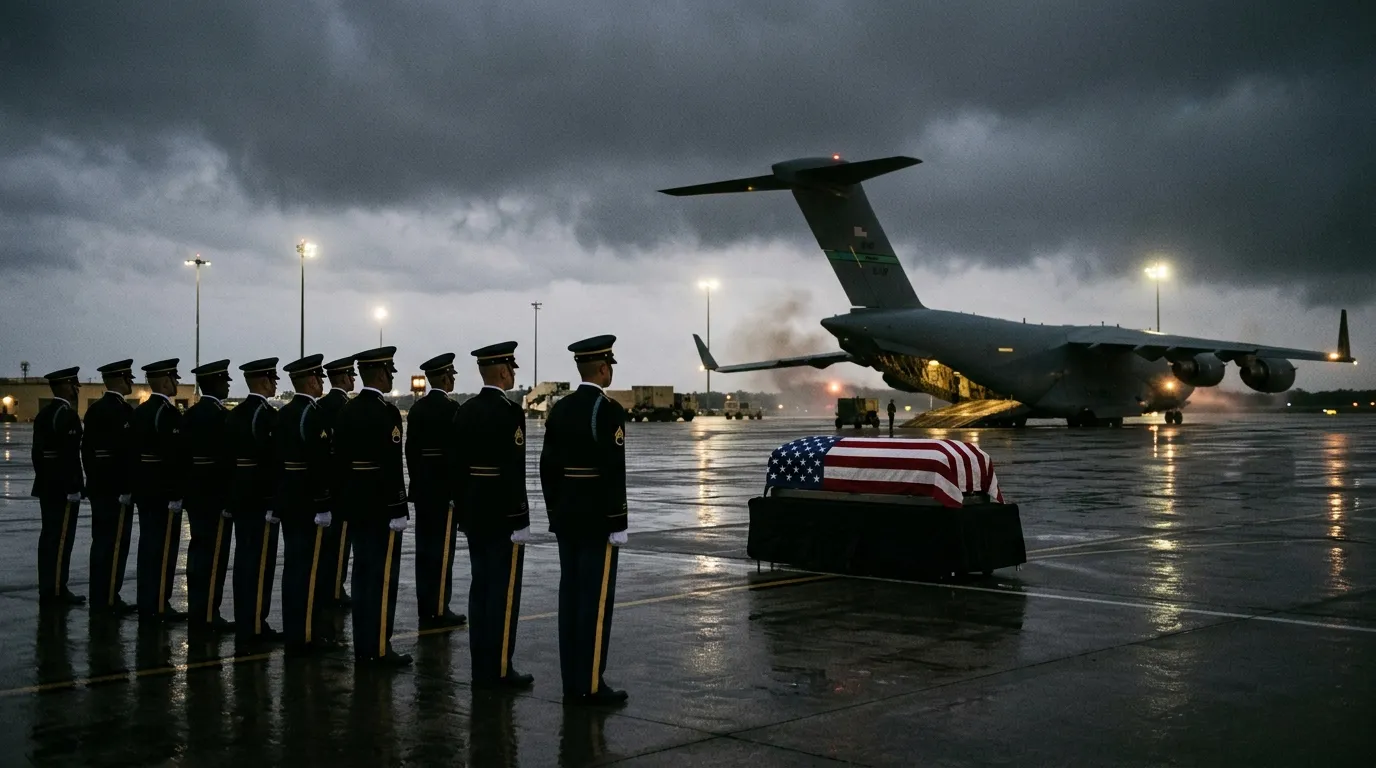
Donald Trump recently found himself at the centre of a fresh wave of criticism after attending a closed press dignified transfer for six US soldiers who tragically lost their lives following a plane crash in the Middle East. The context, as is often the case with the former president, is steeped in the ongoing tensions regarding the conflict with Iran.
For the uninitiated, a dignified transfer is not a funeral, but the process by which the remains of fallen service members are moved from an aircraft to a transport vehicle. It is a procedure steeped in military protocol, designed to be apolitical. Yet, when a head of state attends, the cameras and the scrutiny follow. In this instance, the decision to hold the event behind closed doors sparked a predictable outcry from those who believe such moments should be subject to the transparency of a free press.
Why Optics Matter
In the UK, we are perhaps more accustomed to the rigid traditions of the Royal Family or the quiet dignity of the Cenotaph. We tend to view these moments as sacrosanct. When a politician uses these events as a backdrop, it raises uncomfortable questions about intent. Is the presence of a leader a genuine act of duty, or is it a calculated move to shape a narrative?
The backlash here isn't just about the press being barred; it is about the perception of exploitation. Critics argue that when the line between commander in chief and political campaigner blurs, the dignity of the fallen is the first casualty. It is a tough look, especially when the geopolitical situation involving Iran is so volatile.
The Cost of Conflict
Beyond the political finger pointing, we must remember that six families are currently dealing with an unimaginable loss. While the headlines focus on the political fallout, the reality is that plane crashes in conflict zones are grim reminders of the human toll of foreign policy. Whether one supports the administration's stance on Iran or not, the loss of life remains a sobering fact that transcends party lines.
For the everyday observer, this serves as a reminder to look past the partisan shouting matches. It is worth asking whether our leaders are truly serving the memory of the fallen, or if they are simply managing their own brand. In an era where everything is content, perhaps some things should remain private, dignified, and entirely removed from the arena of political point scoring.
Read the original article at source.

No comments yet. Be the first to share your thoughts.