Petrol Prices and Middle East Tensions: Is Your Wallet About to Take a Hit?
The Geopolitical Rollercoaster Returns
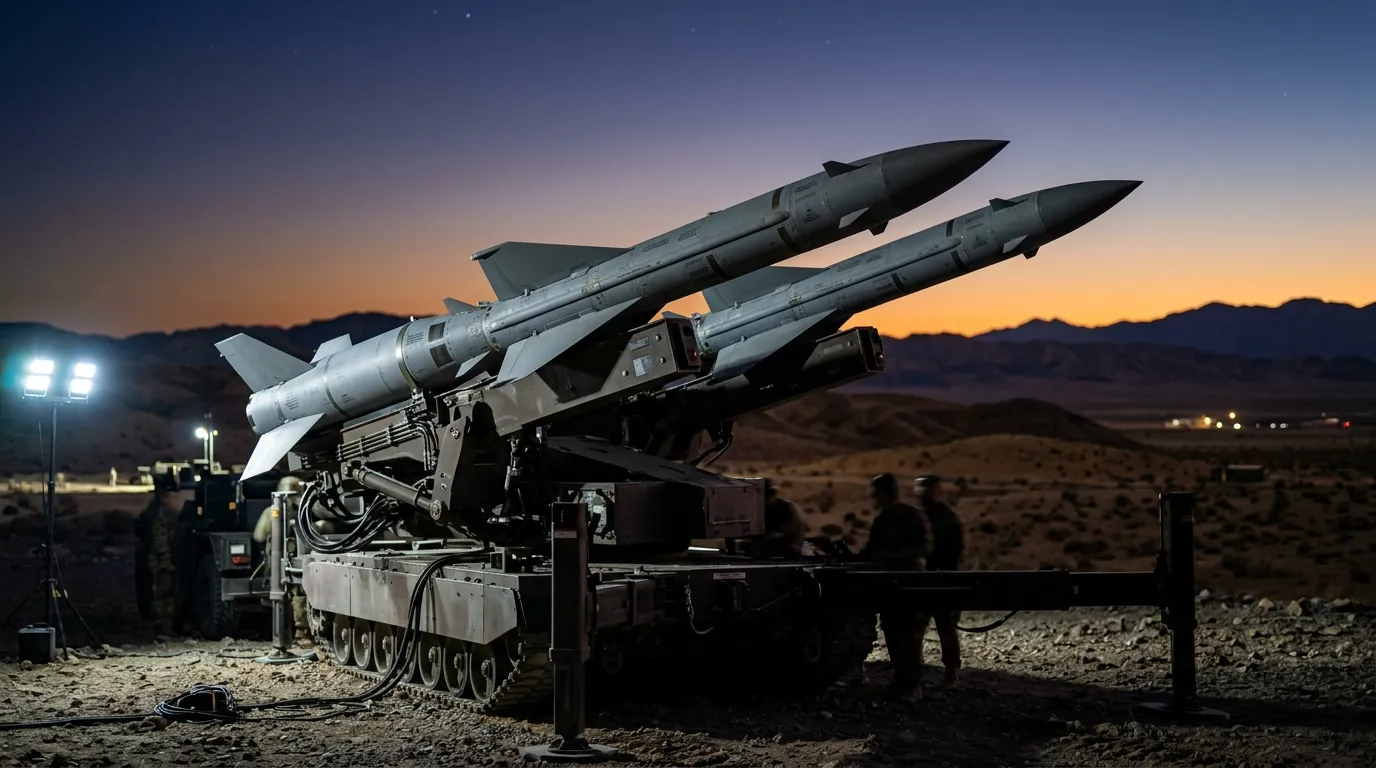
If you have been keeping an eye on the news lately, you might have noticed a rather stressful pattern emerging. Tensions in the Middle East have flared up yet again, and as history has taught us, the oil markets do not handle instability particularly well. Following recent strikes on Iranian energy infrastructure, global markets have reacted with all the grace of a startled cat, leading to a spike in the cost of a barrel of oil.
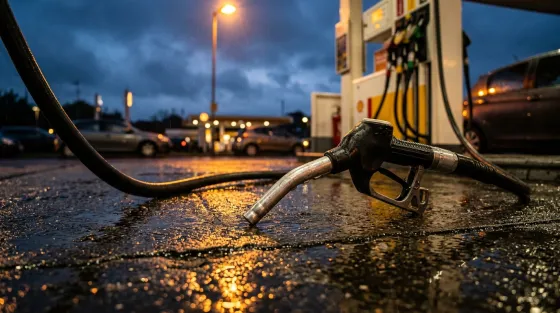
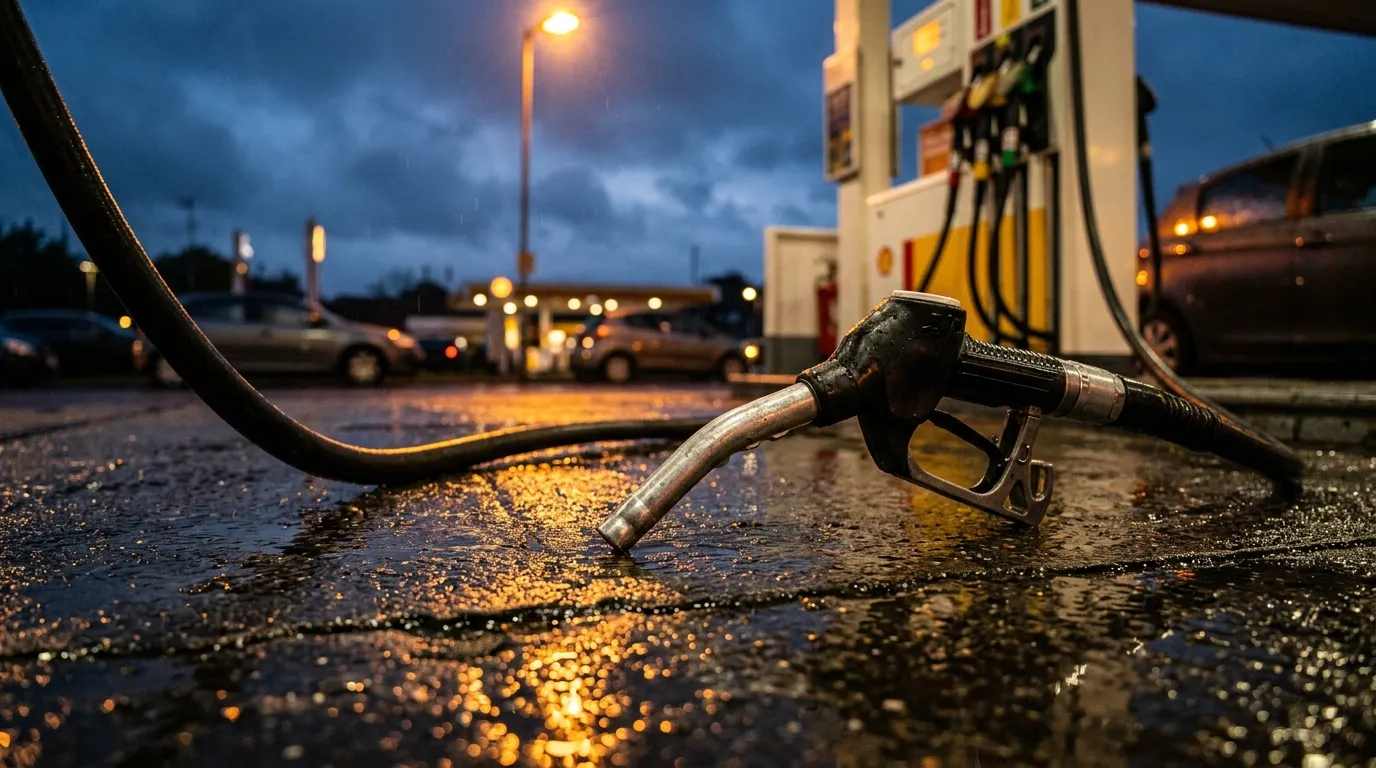
For those of us here in the UK, this is never good news. We are already dealing with a cost of living crisis that feels like it has lasted a decade, so the last thing anyone wants is for their commute to become even more expensive. But why exactly does a strike thousands of miles away result in a higher bill at your local Asda or Shell petrol station?
The Supply Chain Domino Effect
The global oil market is a fragile beast. When production hubs in the Middle East face threats or actual damage, the immediate market reaction is one of panic. Traders worry about supply disruptions, which drives the price of crude oil up. Since the UK is a net importer of energy, we are effectively at the mercy of these global price fluctuations.
The current situation is particularly precarious. With threats of retaliation and warnings to evacuate key installations, the uncertainty is what really hurts. Markets hate uncertainty more than they hate anything else. Even if the actual flow of oil has not completely stopped, the mere threat of it being cut off sends the price per barrel soaring.
What Does This Mean for Your Wallet?
Let us be honest: nobody likes paying more at the pump. We are already paying significant taxes on fuel, and when the base price of oil rises, those costs are passed directly to the consumer at the forecourt. If the situation in the region escalates further, we could see a noticeable jump in the price of unleaded and diesel within a matter of weeks.
While it is tempting to panic, it is worth remembering that the UK energy market is complex. Retailers often have some buffer, but they are also quick to pass on costs when the wholesale price of fuel rises. If the barrel price remains elevated, the days of seeing 'cheap' fuel might be behind us for a while.
Can You Protect Your Finances?
Unfortunately, there is no magic button to stop global oil prices from rising. However, there are a few practical ways to mitigate the impact:
- Check your tyre pressure: It sounds boring, but under-inflated tyres increase rolling resistance, which forces your engine to work harder and burn more fuel.
- Lighten the load: If you are driving around with a boot full of junk you do not need, you are literally burning money. Clear it out.
- Drive smoothly: Rapid acceleration and heavy braking are the enemies of fuel economy. Anticipate the road ahead and try to keep a steady speed.
- Use fuel comparison apps: Apps like PetrolPrices allow you to find the cheapest fuel in your local area. It might only save you a few pence per litre, but over a year, that adds up.
The Verdict
We are in a waiting game. If the situation de-escalates, the markets should stabilise, and we might avoid the worst of the price hikes. If things get worse, we should all prepare for a more expensive winter on the roads. Keep an eye on the headlines, but try not to let the doom-scrolling get the better of you. Being prepared is better than being stressed.
Read the original article at source.


No comments yet. Be the first to share your thoughts.