Geopolitical Stability and Maritime Security: Analysing UK Strategic Responses in the Strait of Hormuz
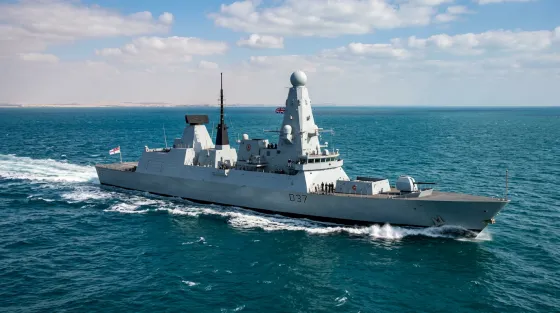
The Strait of Hormuz remains one of the most critical maritime chokepoints in the global energy landscape. Recent geopolitical tensions have once again brought its security into sharp focus, particularly following comments from United States political figures regarding the deployment of naval assets. In response, the United Kingdom government is currently engaged in an intensive evaluation of strategic options to ensure the continued flow of commerce through this vital corridor. Ed Miliband, serving as the Shadow Secretary of State for Energy Security and Net Zero, has highlighted that the British approach may involve a sophisticated blend of traditional naval power and modern autonomous technology.
The Strategic Significance of the Strait
To understand the urgency of the current situation, one must consider the sheer volume of global petroleum liquids that transit the Strait of Hormuz daily. It serves as the primary artery for oil and liquefied natural gas exports from the Persian Gulf. Any disruption to this route has immediate and profound implications for the UK economy, particularly regarding energy price volatility and supply chain integrity. For a nation already navigating complex economic headwinds, the preservation of maritime freedom in this region is not merely a matter of foreign policy but a fundamental requirement for domestic economic stability and energy security.
Technological Interventions: Minesweepers and Autonomous Systems
The discourse surrounding maritime intervention has evolved beyond the mere deployment of large scale warships. Miliband has suggested that the UK is considering the utilisation of specialised minesweepers and minehunting drones. This shift reflects a broader trend in modern naval warfare where autonomous systems provide a lower risk, high precision alternative to traditional manned vessels. Minehunting drones, in particular, offer the capability to detect and neutralise sub-surface threats without risking human life or high value naval assets. From a technical perspective, these systems represent the cutting edge of maritime defence, utilising advanced sonar and sensor arrays to map the seabed in real time, which is essential for countering asymmetric naval tactics.
The Geopolitical Context: Alignment and Autonomy
The discussion regarding the Strait of Hormuz does not exist in a vacuum. It is heavily influenced by the shifting tides of American foreign policy, most notably the recent assertions by Donald Trump. While the UK remains a steadfast ally of the United States, the current administration and its shadow cabinet must balance collective security interests with sovereign strategic goals. The emphasis on an intensive internal review suggests that the UK is seeking a measured response that avoids unnecessary escalation while maintaining a credible deterrent against regional actors who might seek to obstruct international waters. This approach prioritises diplomatic stability alongside military readiness.
Economic Implications for the United Kingdom
For the British consumer, the security of the Strait of Hormuz translates directly to the cost of living. Energy security is inextricably linked to maritime security. If the Strait were to be effectively closed, the resulting spike in global oil prices would exert significant inflationary pressure on the UK economy, impacting everything from transport costs to manufacturing. By investing in mine clearance capabilities and drone technology, the UK aims to mitigate these risks. The focus on minehunting specifically addresses the asymmetric threats posed in the region, where naval mines can be used as a cost effective means of blockade by hostile actors.
Conclusion and Strategic Verdict
The UK position, as articulated by Ed Miliband, reflects a pragmatic acknowledgement of the risks inherent in Middle Eastern maritime corridors. While the rhetoric from across the Atlantic often leans towards overt displays of naval force, the British strategy appears to be focusing on specialised, high tech capabilities that address specific tactical threats. The integration of autonomous minehunting technology into the Royal Navy repertoire is a logical step for a modern maritime power. Ultimately, the goal remains the restoration of predictable and secure transit through the Strait of Hormuz, a goal that is essential for both global energy markets and the UK domestic economy. The use of drone technology represents a cost effective and technologically advanced method of maintaining this global trade artery.
Read the original article at source.




No comments yet. Be the first to share your thoughts.