Analysing the Strategic Divergence: Trump’s Rejection of Ukrainian Drone Collaboration
The Shifting Paradigm of Transatlantic Security
The geopolitical landscape concerning the conflict in Eastern Europe is undergoing a period of significant recalibration. Recent reports indicate a growing friction between Donald Trump and the Ukrainian administration led by President Volodymyr Zelenskyy. At the heart of this tension is a rejected proposal for technological collaboration and a fundamental disagreement regarding the diplomatic resolution of the war. For observers in the United Kingdom, where support for Ukraine remains a cornerstone of foreign policy, these developments signal a potential shift in the global security architecture.
The Dismissal of Unmanned Aerial Systems Integration
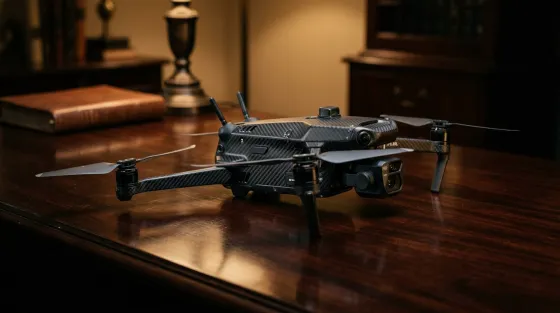
During recent diplomatic exchanges, President Zelenskyy reportedly offered to share Ukraine's burgeoning expertise in drone technology with the United States. Having been forced to innovate under the pressures of active combat, Ukraine has developed sophisticated, low cost unmanned aerial systems (UAS) that have proven effective against traditional military hardware. This offer was framed as a reciprocal gesture of support, potentially benefiting the American defence industry and enhancing shared military capabilities.
However, Donald Trump has notably dismissed this overture. Rather than viewing the proposal as a strategic asset, he has maintained a critical stance toward the Ukrainian leadership. This rejection suggests a preference for a more isolationist or transactional approach to foreign aid, where technological exchange is secondary to the immediate cessation of hostilities. From a British economic perspective, this is a point of concern: the UK has invested heavily in joint defence programmes, and a US withdrawal from such collaborations could disrupt the standardisation of NATO equipment.
The Rhetoric of Negotiation and Accountability
Beyond the technological snub, Trump has directed sharp criticism toward Zelenskyy for his refusal to reach a settlement with Vladimir Putin. The former president has frequently asserted that the conflict could be resolved rapidly through direct negotiation, placing the onus of the continued warfare on the Ukrainian government's reluctance to concede to Russian demands. This perspective stands in stark contrast to the prevailing view in London, where the sovereignty of Ukraine and the rejection of territorial aggression are viewed as non negotiable principles.
The argument presented suggests that by not engaging in a deal with the Kremlin, the Ukrainian leadership is unnecessarily prolonging a costly war that impacts the global economy.
This critique ignores the complexities of international law and the long term security implications for Europe. For the British taxpayer, a forced peace that rewards territorial seizure could set a dangerous precedent, potentially leading to higher defence spending in the future to deter similar actions elsewhere.
Strategic Implications for the United Kingdom
The divergence in rhetoric between Trump and Zelenskyy highlights a broader challenge for the UK’s Special Relationship with the US. If the American administration moves toward a policy of disengagement, Britain may find itself in a position where it must lead a European coalition to sustain support for Kyiv. This would have profound implications for the UK economy, requiring a careful balance between domestic fiscal responsibility and international security obligations.
Key Considerations for the Future:
- Defence Autonomy: The UK may need to accelerate its own domestic drone production and research if US cooperation becomes less reliable.
- Diplomatic Pressure: British diplomats will likely face the challenge of bridging the gap between a transactional US policy and a principled European stance.
- Economic Stability: The prolongation or sudden termination of the war both carry unique risks for energy prices and trade routes.
Concluding Observations
The current friction between Donald Trump and the Ukrainian presidency reflects a deeper debate about the role of the United States in global affairs. By rejecting drone technology partnerships and insisting on immediate concessions to Moscow, Trump is advocating for a radical departure from established norms. For the UK, remaining vigilant and adaptable is essential as the geopolitical tides continue to shift. The stability of the European continent depends not just on the technology of the battlefield, but on the consistency of the alliances that support it.
Read the original article at source.





No comments yet. Be the first to share your thoughts.