Why clearing mines in the Strait of Hormuz is a geopolitical nightmare
The myth of the quick fix
When it comes to international relations, politicians love a good soundbite. We have all heard the bravado about how easy it would be to clear the Strait of Hormuz if things turned sour. But here is the reality check: clearing sea mines is not like vacuuming your living room floor. It is a slow, grinding, and incredibly dangerous business that makes high level posturing look like a child playing with toy boats.
The physics of the problem
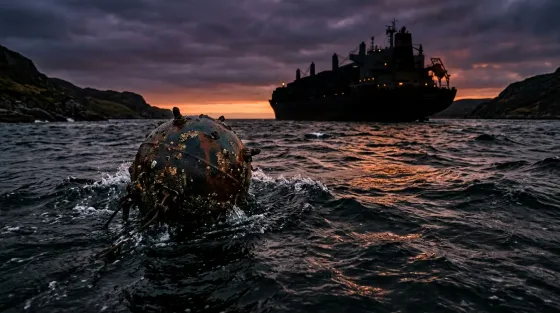
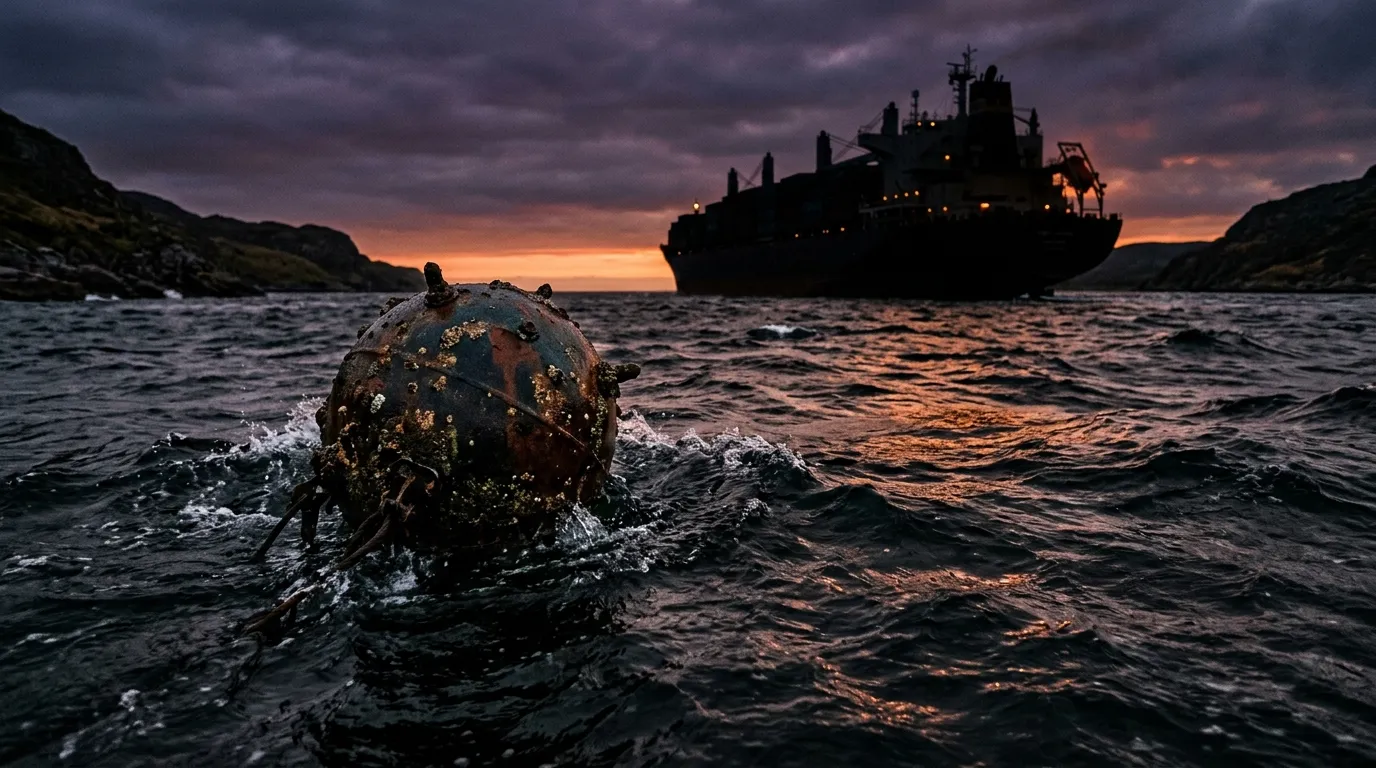
The Strait of Hormuz is one of the world's most vital maritime chokepoints. A significant chunk of the globe's oil supply passes through here. If you decide to drop mines into these waters, you are not just creating an obstacle; you are creating a persistent, psychological weapon. Unlike stationary mines that sit neatly on the seabed, drifting mines are chaotic. They move with the currents, meaning a clear shipping lane at 9 AM might be a graveyard by lunchtime.
Removing these devices requires specialised vessels, sonar technology that actually works in murky, debris filled water, and a level of patience that modern governments rarely possess. It is a game of cat and mouse where the mouse is an explosive device capable of crippling a tanker.
Why technology isn't a silver bullet
You might think that in our age of drones and AI, we would have a 'click and clear' solution. Think again. While unmanned underwater vehicles are getting better, they struggle with the sheer volume of clutter in the Strait. Between old shipwrecks, discarded fishing gear, and natural debris, sonar operators spend most of their time chasing false positives. Every single 'hit' has to be investigated, often by human divers or remote operated vehicles. It is tedious, expensive, and frankly, terrifying.
The cost of bravado
Claiming that one nation does not need help in such a scenario ignores the sheer scale of the operation required. Clearing a minefield is a multilateral effort for a reason. It requires massive logistical support, constant surveillance, and a fleet of minesweepers that most navies simply do not have in abundance. Pretending that a single country can just waltz in and clear the area alone is not just hubris; it is a dangerous miscalculation that could lead to unnecessary loss of life.
The verdict
We need to stop viewing maritime security through the lens of a Hollywood action movie. The Strait of Hormuz remains a fragile artery of the global economy, and the threat of mining is one of the most effective 'asymmetric' tactics available to smaller powers. It is cheap to deploy, devastatingly effective, and a total nightmare to clean up. Until we acknowledge that this is a slow, messy, and collaborative process, we are just kidding ourselves.
Read the original article at source.



No comments yet. Be the first to share your thoughts.