Washington Weighs Lifting Sanctions on Iranian Oil Already at Sea
A Potential Shift in US Foreign Policy
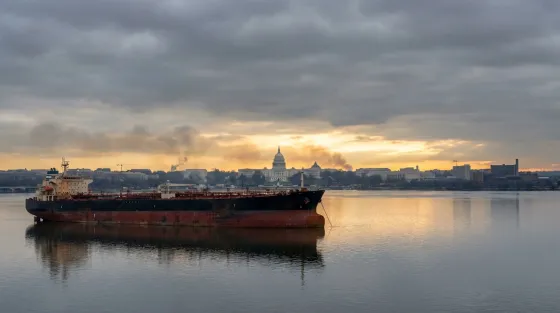
The United States may be on the verge of a remarkable policy reversal regarding Iranian oil sanctions. Treasury Secretary Scott Bessent has reportedly raised the possibility of waiving sanctions on Iranian crude that is already in transit at sea, a move that would mark a significant departure from Washington's established stance on Tehran.
If enacted, such a decision would send shockwaves through global energy markets and reshape the diplomatic landscape between the two nations. For years, US sanctions on Iranian oil have been a cornerstone of American foreign policy in the Middle East, designed to limit Tehran's revenue streams and apply pressure over its nuclear programme and regional activities.
What This Could Mean for Global Oil Markets
The suggestion of lifting sanctions on oil already at sea is a carefully targeted proposal. Rather than a wholesale removal of restrictions, it would apply specifically to cargoes currently in transit, effectively allowing them to reach their intended buyers without penalty. This distinction matters because it limits the scope of any concession whilst still representing a notable softening of the US position.
For global oil markets, even a partial easing of Iranian sanctions could have tangible effects. Iranian crude entering the market more freely would increase supply at a time when energy prices remain a pressing concern for consumers worldwide. From a UK perspective, any downward pressure on global oil prices would be welcome news for households and businesses still grappling with elevated energy costs.
Why This Matters Beyond Energy
The timing of this proposal is worth noting. It arrives amid broader diplomatic efforts and shifting geopolitical priorities in Washington. The willingness to even discuss easing sanctions suggests that the current administration may be exploring new avenues for engagement with Iran, potentially as part of wider negotiations.
However, it is important to treat this development with a degree of caution. Floating a proposal is not the same as implementing one, and there are numerous political and strategic hurdles that would need to be cleared before any such waiver could take effect. Opposition from hawkish voices in Congress, concerns from regional allies such as Israel and Saudi Arabia, and the broader implications for US credibility on sanctions enforcement all present significant obstacles.
The Bigger Picture for the UK
For British consumers and businesses, developments in US-Iran relations have a direct bearing on energy costs. The UK remains exposed to global oil price fluctuations, and any policy shift that influences supply dynamics is worth watching closely. A sustained increase in Iranian oil reaching international markets could contribute to more stable, or even lower, fuel prices over time.
That said, the geopolitical ramifications extend well beyond the price at the pump. Any relaxation of sanctions would inevitably prompt questions about the future of the Iran nuclear deal, regional security arrangements, and the broader Western approach to Tehran. These are issues that affect British foreign policy and security interests directly.
What Happens Next
For now, this remains a proposal rather than a policy. The coming weeks will reveal whether Bessent's suggestion gains traction within the administration or faces resistance from other quarters. What is clear is that even the act of raising this possibility represents a noteworthy moment in US foreign policy, one that observers on both sides of the Atlantic will be monitoring with considerable interest.
Whether this leads to a genuine shift in approach or proves to be a fleeting diplomatic trial balloon, it underscores how fluid the landscape of international energy politics remains in 2026.
Read the original article at source.





No comments yet. Be the first to share your thoughts.