Strait Talk: Can 2,500 Marines Really Keep the Hormuz Shipping Lanes Open?
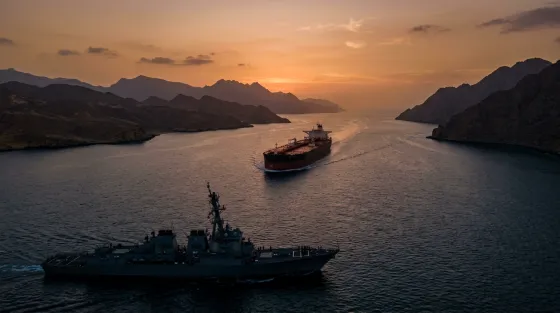
The Strait of Hormuz: A Global Chokepoint
If you have ever wondered why your petrol prices fluctuate or why global supply chains seem to have a nervous breakdown every time there is tension in the Middle East, look no further than the Strait of Hormuz. It is the world's most vital maritime artery, and right now, it is looking decidedly congested with geopolitical friction.
Reports suggest that 2,500 US Marines are heading to the region. These are not your average holidaymakers; they are often dubbed the 911 force, ready to deploy at a moment's notice. But can a few thousand troops actually keep this narrow stretch of water open when tensions are running at an all-time high?
The Strategy: Beyond Traditional Patrols
The proposed plan is not just about having ships bobbing about in the water. We are talking about active, tactical engagement. The strategy involves ship-to-shore raids and, perhaps more importantly in the modern era, anti-drone escorts.
Drones have changed the game. Cheap, disposable, and effective, they have become the weapon of choice for disrupting shipping. The Marines are looking to counter this by integrating advanced tech to neutralise these threats before they can swarm commercial vessels. It is a high-stakes game of cat and mouse, played out on the open sea.
Why This Matters for Your Wallet
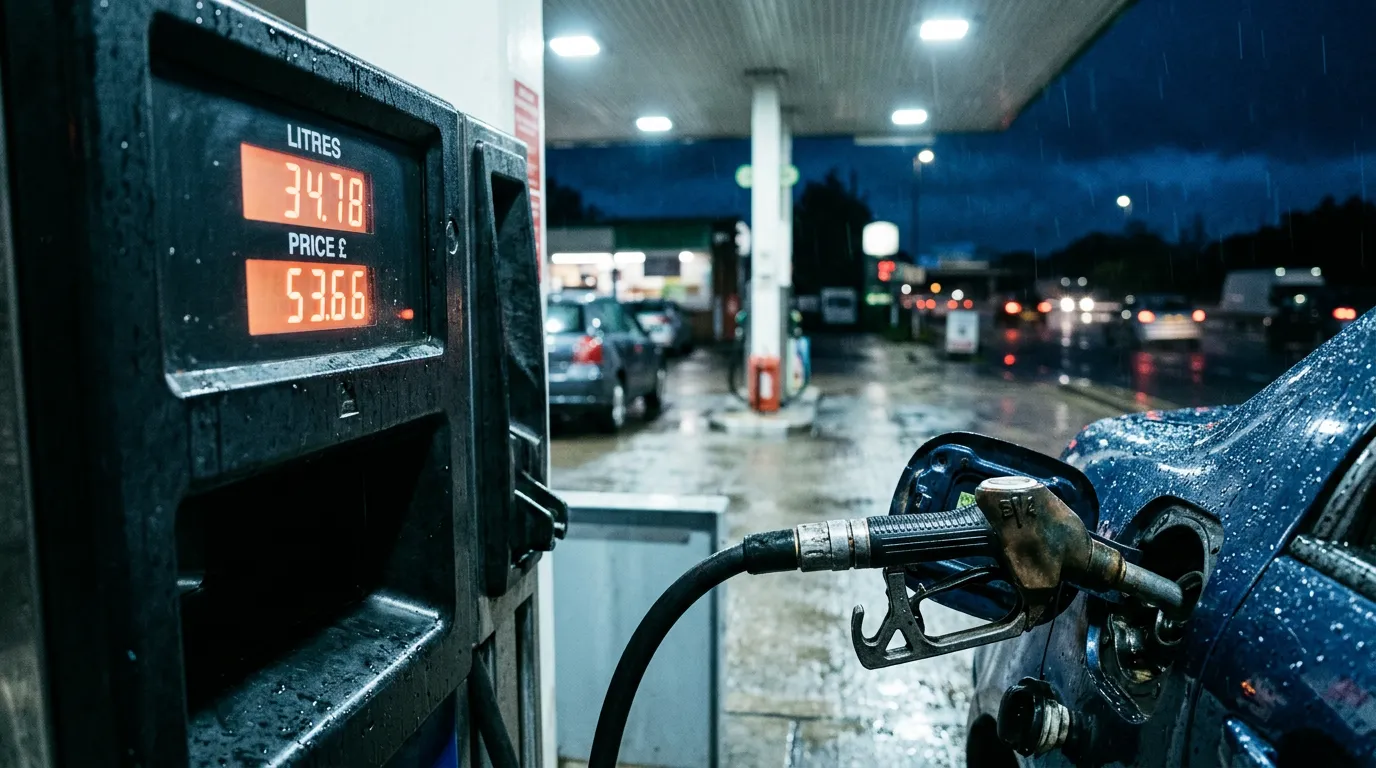
You might be thinking, what does this have to do with me in the UK? Quite a lot, actually. A significant portion of the world's liquefied natural gas and oil passes through this strait. If shipping is hindered, insurance premiums for tankers skyrocket, and those costs are passed directly to the consumer. In a cost of living crisis, a blockade in the Middle East is the last thing any of us need.
The Reality Check: Is It Enough?
While the arrival of a Marine Expeditionary Unit provides a formidable deterrent, we have to be realistic. The Strait of Hormuz is not a small pond; it is a massive, complex environment. No amount of military hardware can completely guarantee safety if a state actor decides to play dirty.
The current approach seems to be about maintaining the status quo and signalling strength. It is a classic geopolitical move: show up with enough force to make someone think twice before pressing the button on an escalation. Whether it provides a long-term solution or just kicks the can down the road remains to be seen.
Ultimately, this is a delicate balancing act. The Marines are highly trained, but they are operating in a theatre where the margin for error is razor-thin.
Read the original article at source.




No comments yet. Be the first to share your thoughts.