Playing with Fire: Why Targeting Iran's Energy Grid is a Strategic Blunder
A Dangerous Game of Copycat
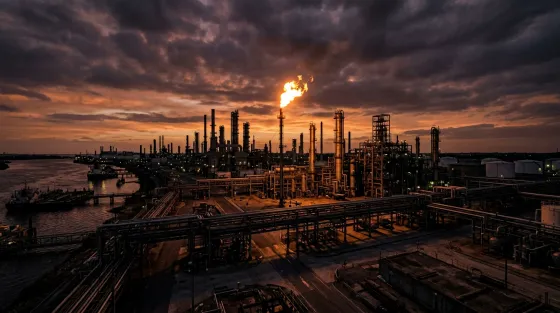
In the world of international conflict, there is a certain grim predictability to the tactics employed by leaders when they run out of sensible options. Benjamin Netanyahu, in his latest strategic pivot, appears to be taking a page straight out of Vladimir Putin’s playbook. By targeting Iran’s critical energy infrastructure, specifically the South Pars gas field, Israel is mirroring the Russian strategy of attempting to freeze a nation into submission.
It is a move that feels less like a masterstroke of military genius and more like a desperate attempt to force a change in Tehran’s behaviour. Unfortunately, if history is any judge, this rarely ends with a tidy resolution.
Why Infrastructure Attacks Fail
Let’s be clear: bombing energy grids is not a precision strike against a regime’s leadership. It is an attack on the civilian population. When you take out a country’s power or gas supply, you aren't just inconveniencing the elite in their ivory towers. You are making life miserable for the average person trying to heat their home or keep the lights on.
Putin tried this in Ukraine, and it did not lead to a swift surrender. Instead, it hardened resolve and galvanised a population against the aggressor. Netanyahu seems to be betting on a different outcome, but there is no reason to believe that Iranian citizens will react any differently to having their basic necessities stripped away by a foreign power.
The Economic Fallout
From a UK perspective, we know all too well how fragile global energy markets are. When major gas producers are hit by conflict, the ripple effects are felt at our own kitchen tables. Global energy prices are notoriously sensitive to instability in the Middle East. By escalating the conflict to include industrial infrastructure, the risk of a massive price spike is not just a possibility; it is a probability.
For a British economy still clawing its way back from inflation, the last thing we need is another round of energy price volatility. This isn't just a regional issue; it is a global economic headache waiting to happen.
A Strategic Dead End
There is a fundamental misunderstanding at the heart of this strategy. The belief that destroying a nation's energy capacity will lead to internal collapse ignores how regimes actually function. Oppressive governments are remarkably adept at prioritising their own survival and diverting remaining resources to their security apparatus. Meanwhile, the general population suffers the consequences.
It is a tactic that lacks foresight. It offers short-term visual gratification for a domestic audience while creating long-term strategic nightmares. It is a gamble that risks turning a regional standoff into a broader, more protracted catastrophe.
The Verdict
Netanyahu’s decision to mimic the tactics used in the Russia-Ukraine war is not just morally questionable; it is strategically hollow. History suggests that targeting civilian infrastructure does not bring regimes to their knees. It merely ensures that when the dust eventually settles, you are left dealing with a populace that has even more reason to despise you.
We should be looking for de-escalation, not mirroring the worst tactics of modern warfare. If we want stability, this is exactly the wrong road to take.
Read the original article at source.


No comments yet. Be the first to share your thoughts.