Energy Bills and The Strait of Hormuz: Why Your Wallet Should Be Worried
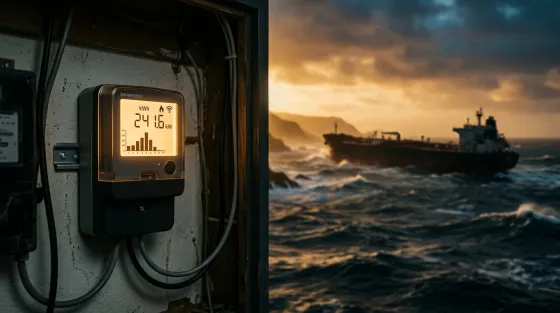
The Middle East is heating up, and so are our energy bills
If you have been keeping an eye on the news, you might have noticed a recurring theme: the situation in the Middle East is becoming increasingly volatile. While the primary concern is, rightly, the human cost, there is a secondary, grimmer reality creeping into our daily lives here in the UK and across Europe: the price of keeping the lights on.
European Union leaders are currently scrambling to figure out how to insulate the continent from a potential energy price spike. Why? Because the Strait of Hormuz is involved. For those who skipped geography, this narrow waterway is the world's most important oil chokepoint. If things go pear-shaped there, the global supply of oil and gas takes a massive hit.
Why does this matter to you?
It is easy to think of these geopolitical tensions as something happening far away, but the energy market is a global beast. When supply chains tighten in the Middle East, the cost of crude oil jumps almost instantly. Because our own energy prices are tethered to these global benchmarks, the impact lands squarely on your monthly direct debit.
We are already living through a cost of living crisis that feels like it has been going on for a decade. The last thing any of us need is another round of energy price hikes just as we were hoping for some stability. The EU is currently discussing contingency plans, but let's be honest: when it comes to energy security, there are no quick fixes.
The Trump Factor
Adding another layer of complexity to this cocktail of uncertainty is the political landscape in the US. With Donald Trump's influence looming over foreign policy discussions, the uncertainty surrounding Iran and the Strait of Hormuz is amplified. Markets hate uncertainty more than they hate anything else, and right now, the market is positively terrified.
What is the takeaway?
If you are looking for a silver lining, it is hard to find one. The reality is that Europe is still heavily reliant on imported energy. While we have made strides in renewables, we are not yet at a point where we can tell the global oil market to take a hike. For the average household, this means we should be preparing for potential volatility.
It is worth keeping an eye on your energy provider's communications and perhaps looking at ways to be more efficient with your heating and electricity. It is not exactly a fun Saturday night project, but in the current climate, every little bit helps.
We are essentially hostages to global events that we have zero control over. Until the situation in the Middle East cools down, expect the energy markets to remain jittery. It is a stark reminder of how fragile our current energy infrastructure really is.
Read the original article at source.

No comments yet. Be the first to share your thoughts.