Empty Cupboards and Geopolitical Chaos: Why Your Food Bill is About to Bite
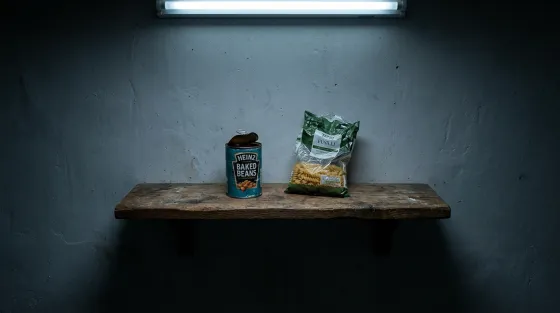
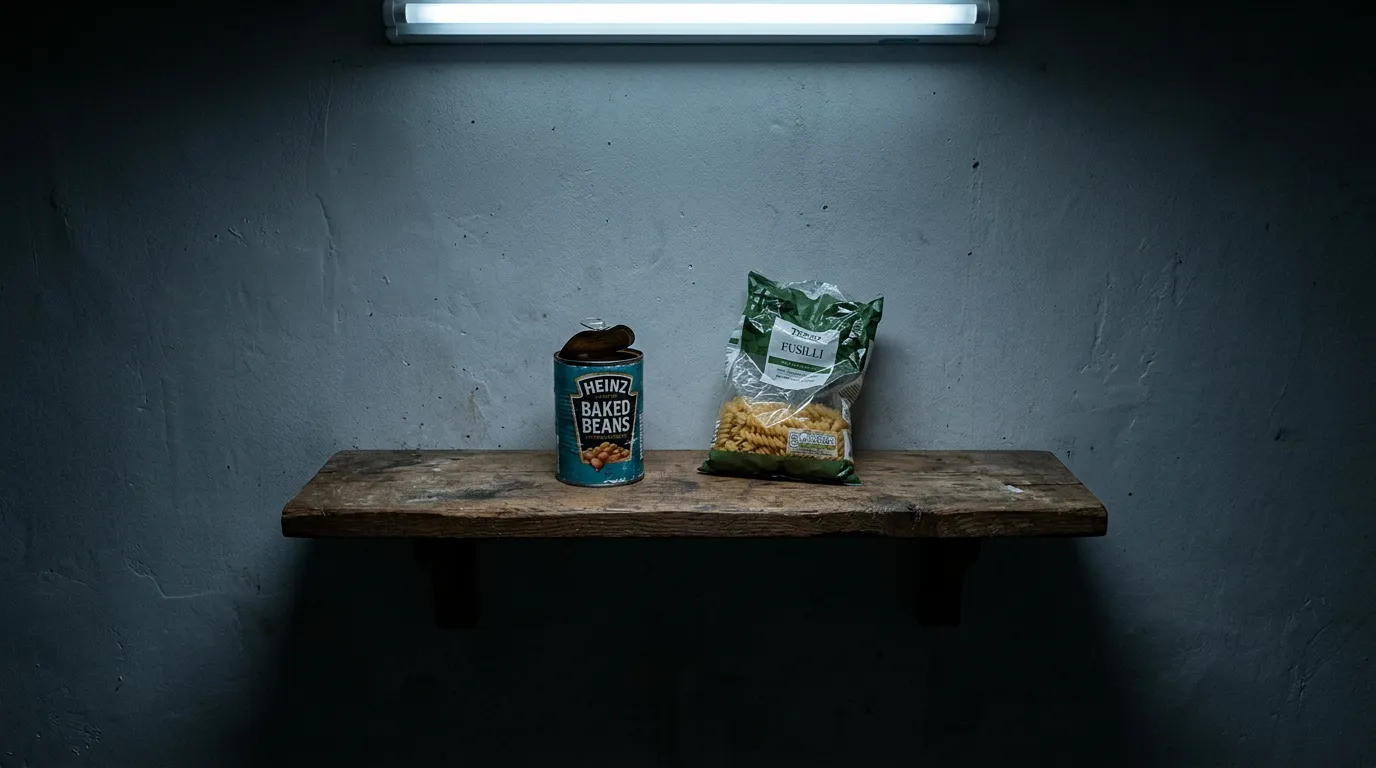
The cold, hard truth about your weekly shop
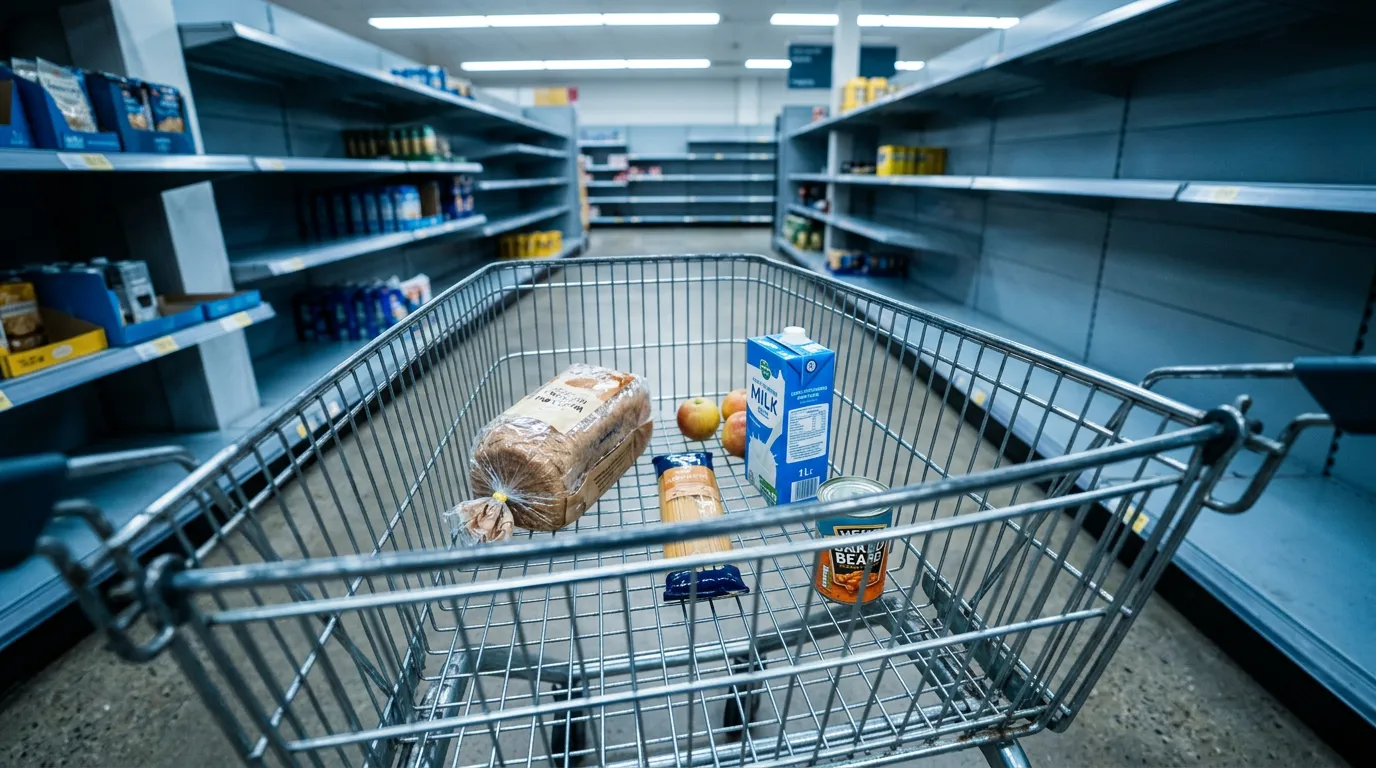
If you have felt a sharp pang of dread while scanning your shopping at the self checkout recently, you are not alone. New data from The Food Foundation makes for grim reading. In January, a staggering 12 per cent of UK households faced food insecurity. That is 6.3 million adults struggling to keep the kitchen cupboards stocked, a noticeable jump from the 11 per cent we saw back in June.
Why is this happening now?
While the cost of living crisis has been the background hum of our lives for some time, the situation is being exacerbated by fresh instability in the Middle East. It is a classic case of global politics hitting your local supermarket shelf. When tensions rise in regions that are vital for energy and global shipping routes, the cost of moving goods skyrockets. Fuel prices creep up, logistics become a nightmare, and that extra cost is inevitably passed down to you, the consumer.
The ripple effect on your wallet
It is easy to think of international conflicts as something happening far away, but the reality is that our food supply chain is fragile. We rely on global stability to keep prices predictable. When shipping lanes are disrupted or oil prices become volatile, the price of fertiliser, transport, and packaging follows suit. It is a domino effect that lands squarely on your receipt.
What does this mean for the average household?
For many, this is not just about choosing between brands; it is about skipping meals or relying on food banks. The increase in food insecurity suggests that the modest cooling of inflation we have seen in other sectors simply hasn't reached the essentials. While the government often points to macro economic indicators, the reality on the ground is that the cost of basic nutrition remains stubbornly high.
Is there a silver lining?
Honestly? It is hard to find one. Until there is greater stability in international trade and energy markets, we are likely to see continued pressure on food prices. For the savvy shopper, this means sticking to value ranges, meal planning with military precision, and avoiding the temptation of convenience foods that carry a massive mark up. It is not exactly a fun way to live, but in the current climate, it is a necessary one.
Final thoughts
The latest figures are a stark reminder that we are all vulnerable to global shocks. The link between a tanker in the Red Sea and the price of a loaf of bread in your local Tesco is more direct than many of us would like to admit. Keep a close eye on your spending and prioritise the essentials, because the current economic climate is not showing many signs of loosening its grip just yet.
Read the original article at source.


No comments yet. Be the first to share your thoughts.