Denmark Reportedly Drew Up Plans to Destroy Greenland Runways in Event of US Military Action
Contingency Plans Revealed Amid Heightened Transatlantic Tensions
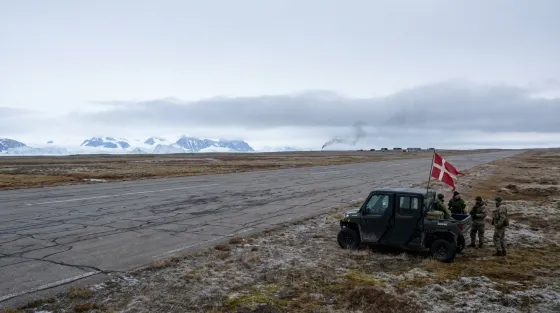
Denmark reportedly prepared contingency plans to demolish key runways in Greenland should the United States attempt a military operation to seize the territory, according to reports from Denmark's public broadcaster DR.
The revelations paint a stark picture of just how seriously Copenhagen took the threat of American aggression towards its autonomous territory in the Arctic. The plans were said to have been drawn up after the US operation to detain Venezuelan President Nicolás Maduro intensified fears that Washington might be willing to use force to pursue its territorial ambitions closer to home.
Why Greenland Matters
Greenland, the world's largest island, has been a self-governing territory under the Danish realm for decades. It holds enormous strategic value due to its position in the Arctic, sitting between North America and Europe, and is home to valuable mineral resources and important military infrastructure, including Pituffik Space Base, formerly known as Thule Air Base.
Former US President Donald Trump repeatedly expressed interest in acquiring Greenland, initially raising the idea during his first term in office. The suggestion was met with widespread disbelief and firm rejection from both Danish and Greenlandic leaders at the time. However, the issue resurfaced with renewed intensity, prompting genuine concern in Copenhagen about the lengths to which Washington might go.
Venezuela Operation Raised the Stakes
According to the reports, it was the American operation targeting Venezuela's leadership that served as a turning point in Danish defence thinking. The willingness of the US to take direct, forceful action against a sovereign nation's leader reportedly prompted Danish officials to reassess the plausibility of military action against Greenland.
The contingency plans to destroy airfield infrastructure were understood as a denial strategy, aimed at making any rapid military deployment to the island significantly more difficult. Disabling runways would hamper the ability of foreign forces to land troops and equipment, buying time for a diplomatic or military response.
A Remarkable Shift in Allied Relations
The very existence of such plans is extraordinary. Denmark is a founding member of NATO, and the notion of a fellow alliance member preparing defensive measures against the United States would have been unthinkable just a few years ago. It speaks volumes about the deterioration of trust between traditional Western allies during this period.
Denmark has since moved to significantly increase its defence spending in the Arctic region, committing billions of kroner to bolster Greenland's security infrastructure. The Danish government has framed these investments as necessary to protect sovereignty and maintain stability in an increasingly contested part of the world.
Greenland's Own Voice
It is worth noting that Greenland's population of roughly 56,000 people has its own perspective on these matters. The territory has been on a gradual path towards greater autonomy, and many Greenlanders have expressed frustration at being treated as a bargaining chip in great power politics. Any decisions about the island's future, its leaders have consistently argued, must be made by the Greenlandic people themselves.
What This Means Going Forward
These revelations are likely to reignite debate about the state of transatlantic relations and the limits of alliance solidarity when national interests collide. For the UK, which maintains its own Arctic interests and close ties with both Denmark and the United States, the situation underscores the increasingly complex geopolitical landscape in the High North.
Whether the runway demolition plans remain active or have since been revised is unclear, but their existence alone marks a sobering chapter in modern European security planning.
Read the original article at source.





No comments yet. Be the first to share your thoughts.