Strait Talk: How Nations Are Navigating Iran’s Oil Chokepoint
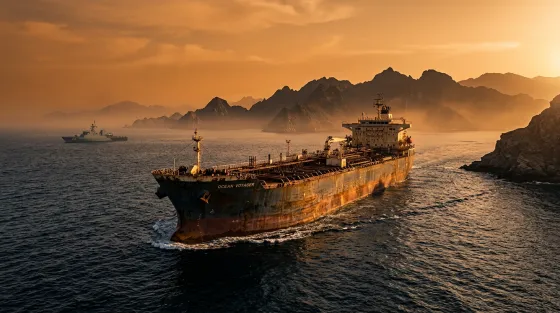
The World’s Most Stressful Shipping Lane
If you thought your morning commute was bad, spare a thought for the oil tanker captains currently navigating the Strait of Hormuz. This narrow strip of water is essentially the global economy’s jugular vein. When tensions flare between Iran and the West, this is where the pulse starts to race.
Lately, the Strait has become a high stakes game of geopolitical chicken. With Iran asserting its influence, the path for oil tankers has gone from a routine transit to something resembling a scene from a thriller movie. But here is the twist: despite the sabre rattling, there is a quieter, more pragmatic game being played beneath the surface.
Diplomacy Over Dreadnoughts
While the headlines often focus on the potential for conflict, the reality on the ground is far more nuanced. Experts suggest that Tehran is not necessarily looking to shut the door on everyone. Instead, they are using the Strait as a massive diplomatic bargaining chip.
For countries willing to engage in direct dialogue, the path to safe passage seems to be opening up. It is a classic move: create a problem, then offer a bespoke solution to those willing to play ball. For nations desperate to keep their energy supplies flowing without paying the inflated premiums that come with maritime uncertainty, this diplomatic route is becoming the preferred option.
Undermining the Trump Strategy
This approach puts a significant spanner in the works for the US administration. The goal of maximum pressure campaigns is usually to isolate Iran, squeezing the economy until they have no choice but to buckle. However, if other nations are busy cutting bilateral deals to secure their oil, the effectiveness of that isolation strategy starts to crumble.
It is a fascinating demonstration of how realpolitik often trumps grand strategy. When it comes to keeping the lights on and the petrol pumps running, countries are far more interested in their own national interests than in adhering to a rigid geopolitical playbook dictated from Washington.
What Does This Mean for Us?
For the average person in the UK, this might feel like a distant problem. However, the price of petrol at your local station is directly linked to the stability of the Strait of Hormuz. If diplomacy continues to prevail over open conflict, we might avoid the kind of supply shocks that send prices spiralling.
Of course, this is a fragile peace. Relying on the goodwill of a regime that is actively trying to undermine Western sanctions is a risky business model. Yet, for now, it seems that the flow of oil is more important than the alignment of political ideologies.
The Verdict
The situation remains volatile, and relying on private deals to bypass international pressure is hardly a long term solution for global stability. However, it is a stark reminder that in the world of energy, money and necessity will almost always find a way around the obstacles placed by politicians.
Read the original article at source.



No comments yet. Be the first to share your thoughts.